The 4 Game-Changing Benefits of Migrating from Heroku to AWS
Hi there! If you're in the tech world, you've probably heard about the trend of companies moving from Heroku to AWS. At Qovery, we've seen an increasing demand from companies looking to make this move. And for good reasons! Here are the top 4 reasons why companies are choosing AWS over Heroku:
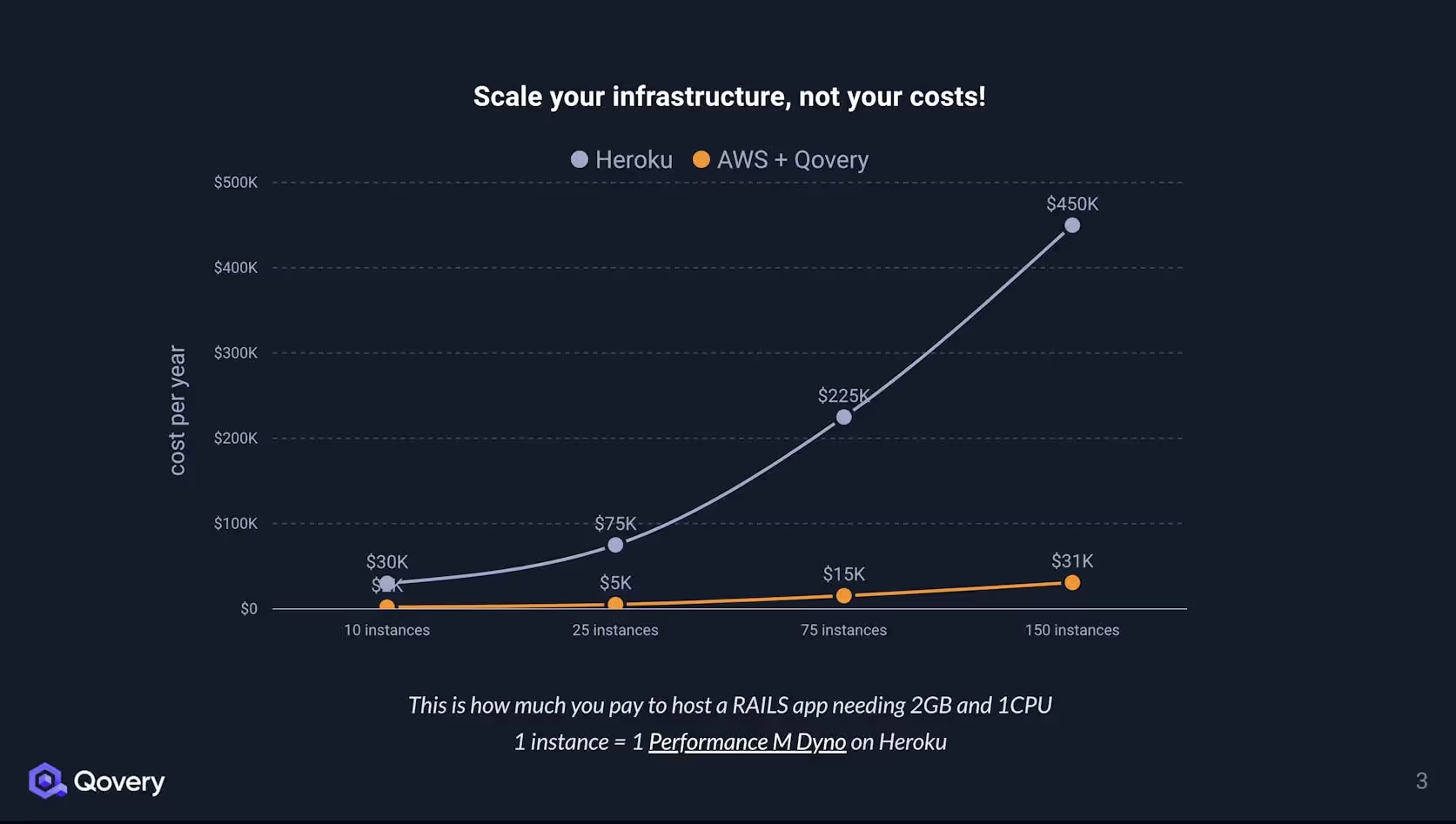
Scaling your infrastructure on Heroku can be a real budget buster! In fact, it's often 5-100 times more expensive than scaling on AWS for the same workload. So, the more you grow, the more you end up paying. AWS offers more cost-effective scaling options that won't break the bank.
AWS is cheaper than Heroku when it's time to scale - Qovery
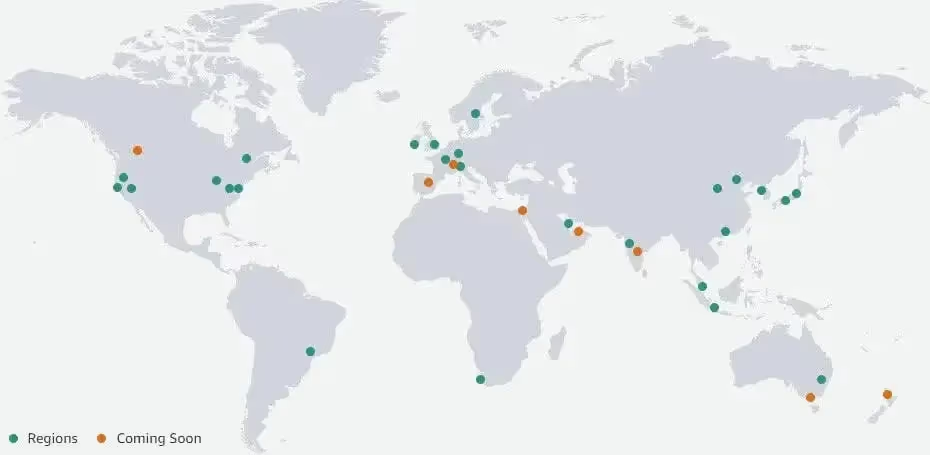
Heroku only supports two regions (US and Ireland), which just isn't enough for some companies. If you have customers in other parts of the world, you need to be close to them for the best possible performance and compliance. AWS has over 30 regions and is constantly expanding, so you can deploy almost anywhere.
AWS datacenter are available on all continents and in more than 15 countries - Credits AWS
Agents ship fast. Guardrails keep them safe.
Qovery ensures every agent action is scoped, audited, and policy-checked. Start deploying in under 10 minutes.
AWS Offers More Compliance Features Out-of-the-Box
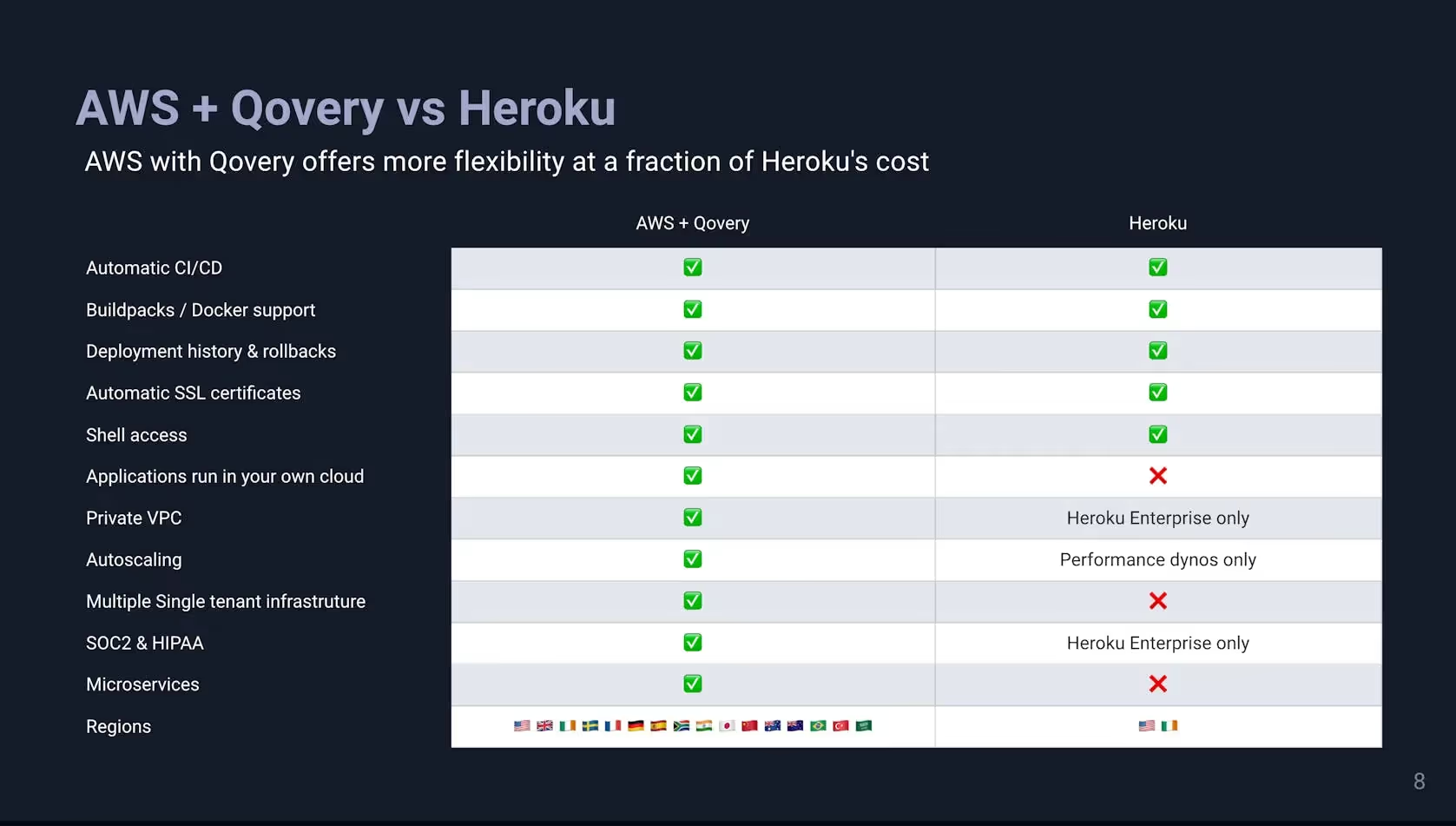
If you need extra features like a private VPC for SOC2 or HIPAA compliance, you'll need to upgrade to Heroku Enterprise. But this can be a pricey annual contract starting at around $3,000/month. With AWS, a private VPC and other key features come standard and at no extra cost.
AWS + Qovery vs Heroku - Non-exhaustive comparison table
More Control Over Your Technical Stack
Companies want more control over their technical stack as they grow and expand. They don't want to be locked into a platform that doesn't allow them to do what they need. For example, they might want to change the size of their load balancer, use gRPC, or make other technical changes. With AWS, you have more control and flexibility, unlike Heroku, where tickets can go unanswered or be closed without resolution.
Conclusion
It's clear that more and more companies are choosing AWS over Heroku, and at Qovery, we've seen an increasing demand for companies looking to make this switch. AWS has a lot to offer, from more affordable scaling options to better regional options to more compliance features and greater control over your technical stack. So, if you've been considering making the move, now might just be the time to do it with Qovery's Kubernetes management platform!
Romaric founded Qovery to make Kubernetes accessible to every engineering team. He writes about platform strategy, developer experience, and the future of cloud infrastructure.
Next step
Agents ship fast. Guardrails keep them safe.
Qovery ensures every agent action is scoped, audited, and policy-checked. Start deploying in under 10 minutes.