Managing a handful of clusters is a technical chore. Managing 100+ is an architectural evolution. At this scale, the 'manual-first' patterns of the past don't just slow you down, they collapse under the weight of configuration drift and the resource-heavy demands of the AI era.
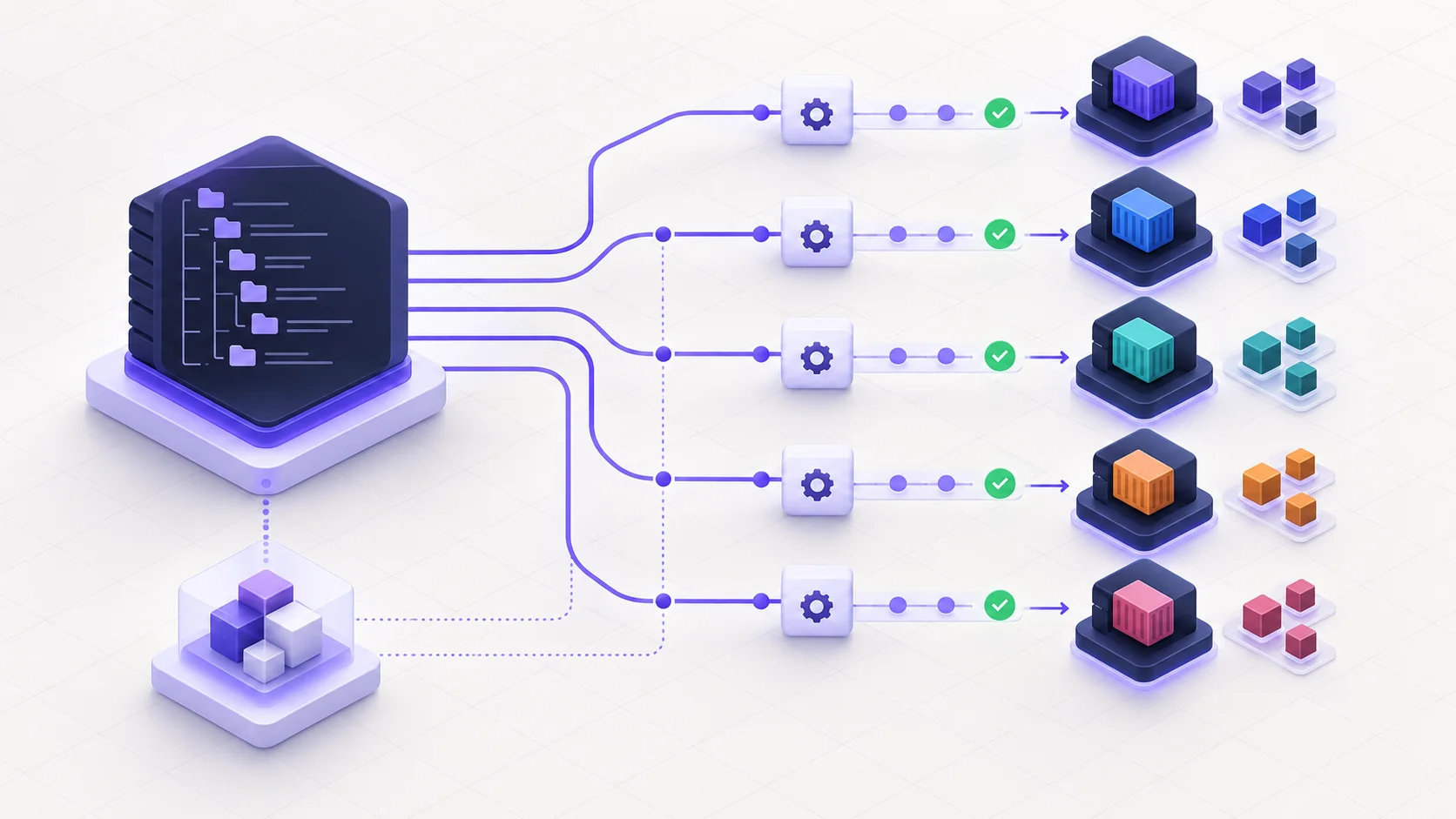
This guide is the blueprint for the 'Fleet-First' transition. It moves beyond basic connectivity to explore how modern platform teams treat global, fragmented infrastructure as a single, programmable compute pool.
Strategic Highlights for 2026:
- Intent-Based Orchestration: Shifting from manual workload placement to automated, constraint-aware deployment across hybrid clouds.
- The AI-Ready Fleet: Best practices for standardizing GPU-intensive workloads alongside traditional microservices without specialized silos.
- Self-Healing Governance: Implementing GitOps and Policy-as-Code to remediate drift and enforce compliance across 100+ clusters automatically.
- Predictive Resource Sizing: Leveraging historical utilization and lifecycle automation to reclaim the 'hidden' costs of scale.
Access the 2026 Strategic Guide!