Startup: get the Heroku experience on your AWS account
Heroku meets the needs of individual developers who want to deploy their applications seamlessly. The only requirement is to use a git repository and link your git repository to your Heroku account.
Those arguments make most startups move away from Heroku to a more flexible place like AWS - which has 31% market share in Q2 2020.
AWS is complex for startups
When I used to play with AWS for the first time (2012) I was impressed by the flexibility that the platform brings. In a couple of clicks, you can have any services - broker, database, compute instances... There is no need to order a server, install Linux, and do administration stuff like ten years ago. It's amazing.
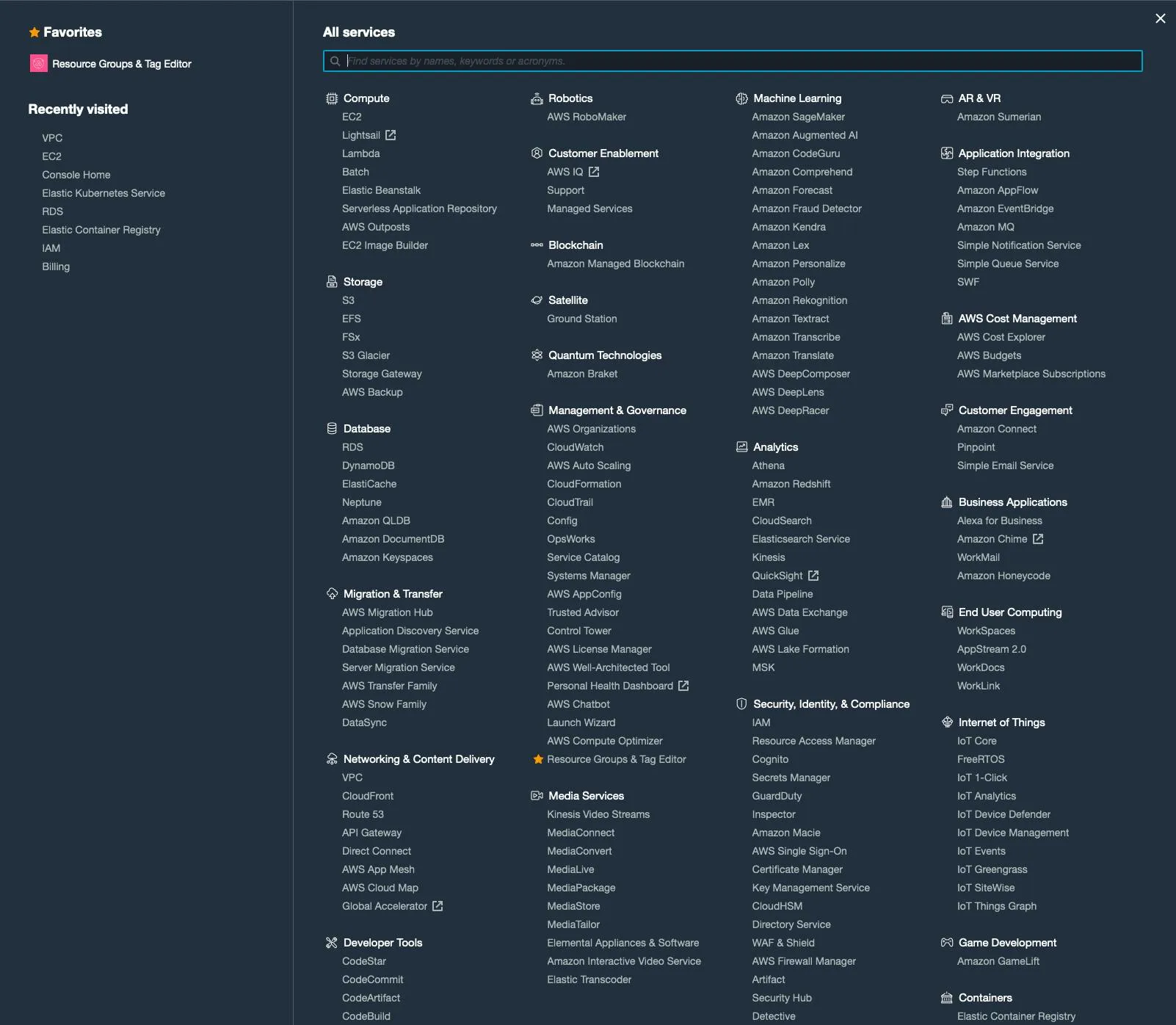
Since then, more than 170 services are now existing, and I feel like there are too many services - sometimes duplicated and responding to the same need. To deploy an application, which one to choose between EC2, ECS, Fargate, and EKS?
Pick the right AWS service... I wish you good luck :)
Plus, the difference with Heroku is that you need to spend/waste time configuring the network (VPC), configuring a Continuous Integration, configuring a Continuous Deployment, your domains on AWS... All of this is the job of DevOps.
Qovery - The Heroku experience on your AWS account
It was with the philosophy of putting the Heroku experience into AWS in mind that I created Qovery, a DevOps Automation tool for developers to help them to deploy their applications on their AWS account in just a few seconds and without any AWS knowledge.
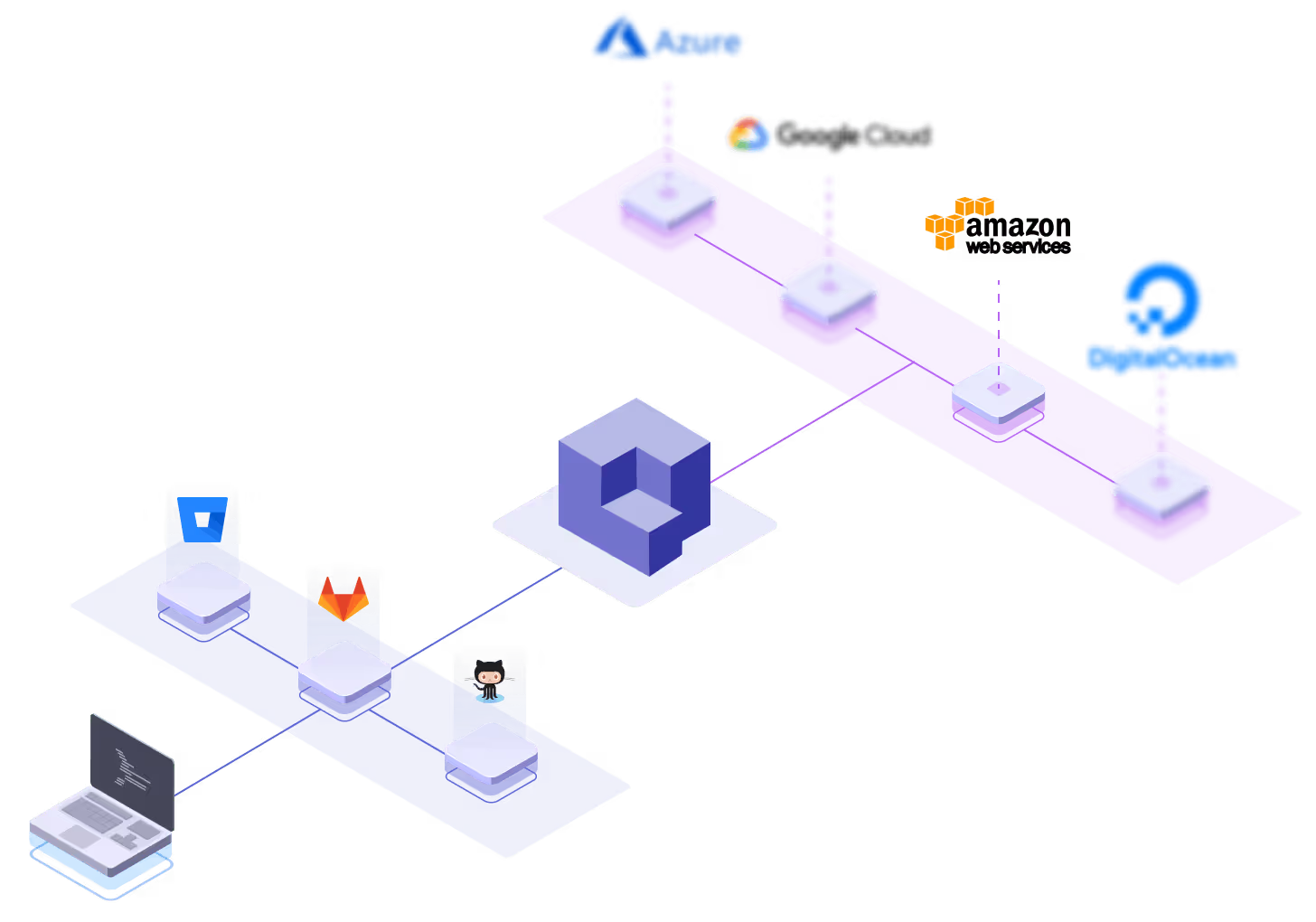
Deploy your applications with Qovery on the cloud service provider of your choice
Qovery combines Heroku's simplicity and the flexibility of AWS inside an outstanding user experience (UX).
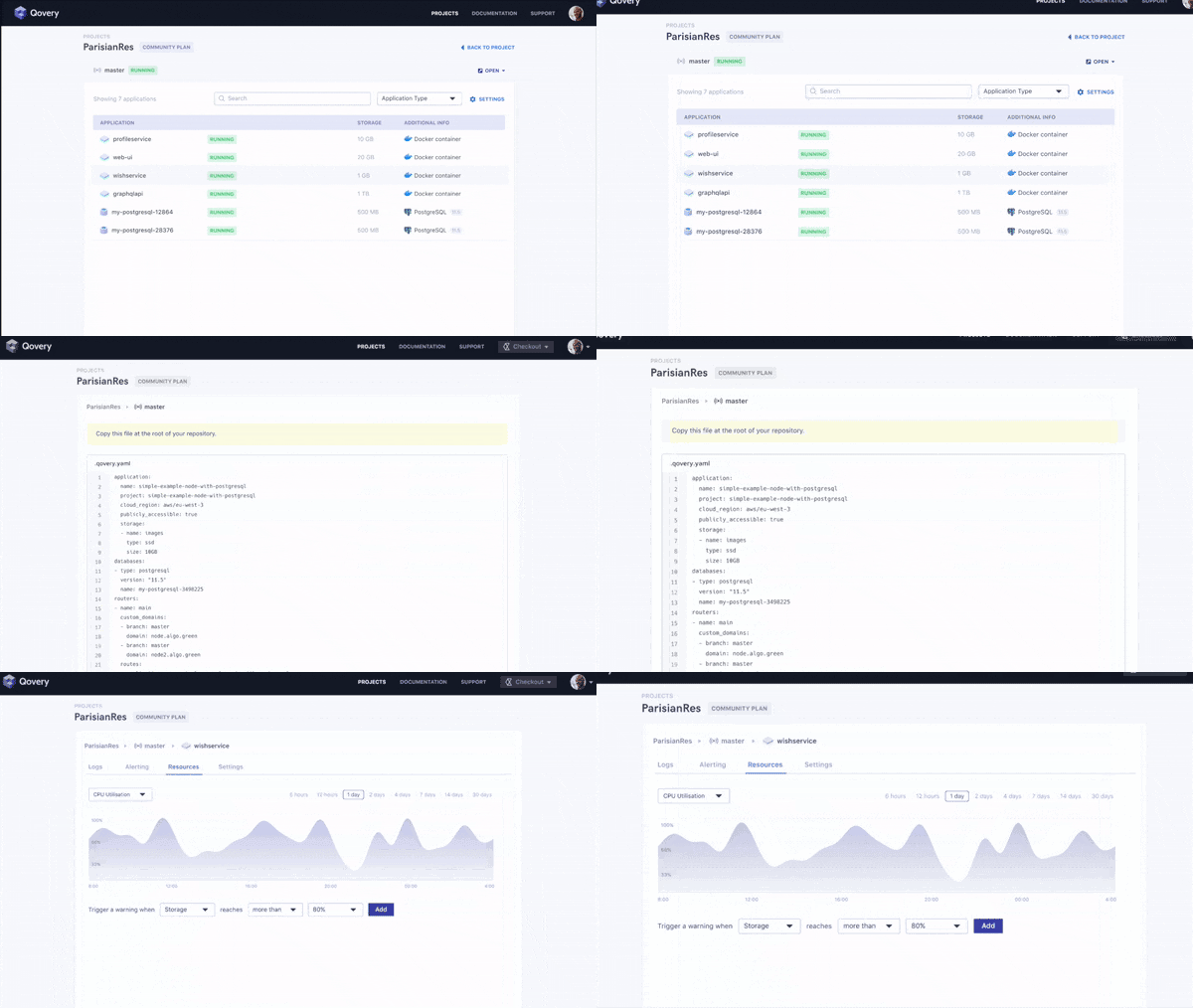
The only thing you need to do as a developer is to put a .qovery.yml file at the root of your project, declare the dependencies you need (database, storage, custom domain...), and then push your changes to git, and that's it. Qovery deploys your application on your AWS account.
null
Behind the scene, Qovery hooks events from your git repository and manages everything as DevOps will do. You do not need to worry about micro details, such as network configuration, databases, and required services. Qovery takes care of all of this.
Beyond application deployment
Simplifying the User Experience does not mean limiting it. Qovery does the opposite, improving developer productivity with GitOps, Continuous Integration, and Feature Branching concepts.
One branch is one isolated environment with Qovery
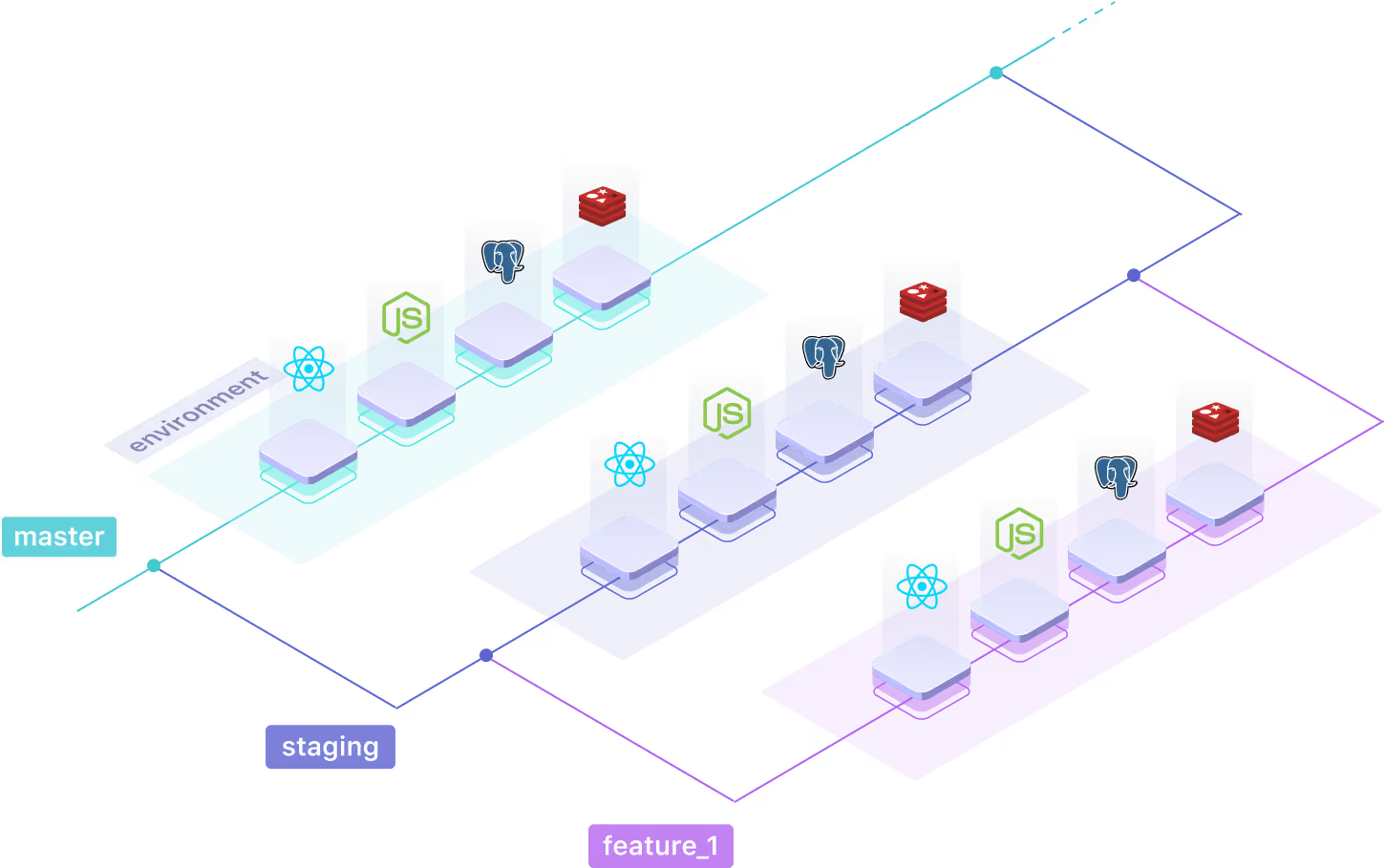
Each git work branch (master, staging, feature_1) is an isolated "environment" that allows you to safely work in teams without ever stepping on each other's toes. This is something Heroku does not offer and is very difficult to bring to AWS.
Qovery also supports:
Smart cost optimization to reduce your Cloud cost up to 60%
Google Cloud Platform, Azure, Digital Ocean, and Scaleway Cloud providers
Two offers, one interface
Community: free for your personal projects - limitation: you cannot deploy your applications on your AWS account.
Business: take advantage of all great features (team management, cost optimization...) of Qovery and deploy your applications to your AWS account.
Agents ship fast. Guardrails keep them safe.
Qovery ensures every agent action is scoped, audited, and policy-checked. Start deploying in under 10 minutes.
Romaric founded Qovery to make Kubernetes accessible to every engineering team. He writes about platform strategy, developer experience, and the future of cloud infrastructure.
Next step
Agents ship fast. Guardrails keep them safe.
Qovery ensures every agent action is scoped, audited, and policy-checked. Start deploying in under 10 minutes.