From Static to Ephemeral Environments: How Flat Significantly Increase Development Velocity with Qovery
Learn how Qovery helped Flat Mx, a proptech company in Mexico, speed their release cycle and scale their infrastructure efficiently. Initially launched three years ago, Flat Mx combines technology with real estate data and expertise to optimize the property valuation process and automate it. The engineering team at Flat Mx was facing challenges with their monolithic application and needed a more efficient solution for their cloud needs. After exploring multiple options, they found Qovery, which offered them an ephemeral environment, integrated well with their existing solutions, and had excellent documentation and support. The migration process was well-documented and took them two months to complete, during which they migrated 20 applications. After using Qovery for several months, Flat Mx has streamlined their infrastructure management and deployment processes, enhanced their development environment, and improved their efficiency. In this article, we will discuss the key results after several months of using Qovery.
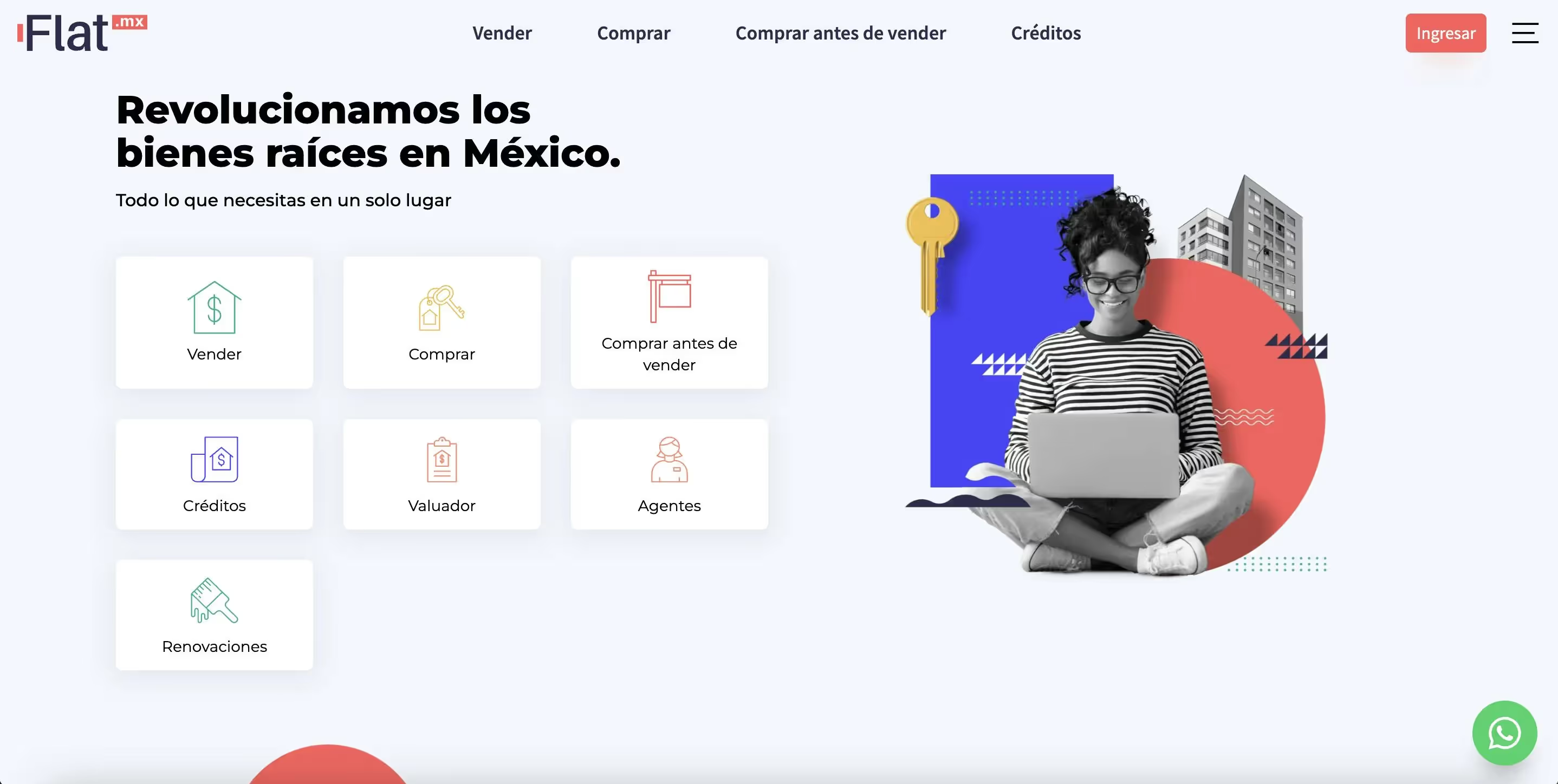
Flat Mx combines cutting-edge technology with real estate data and expertise in Mexico! Their mission is to transform the real estate industry with trust, liquidity and speed by leveraging the latest technology and extensive data on the real estate market in Mexico.
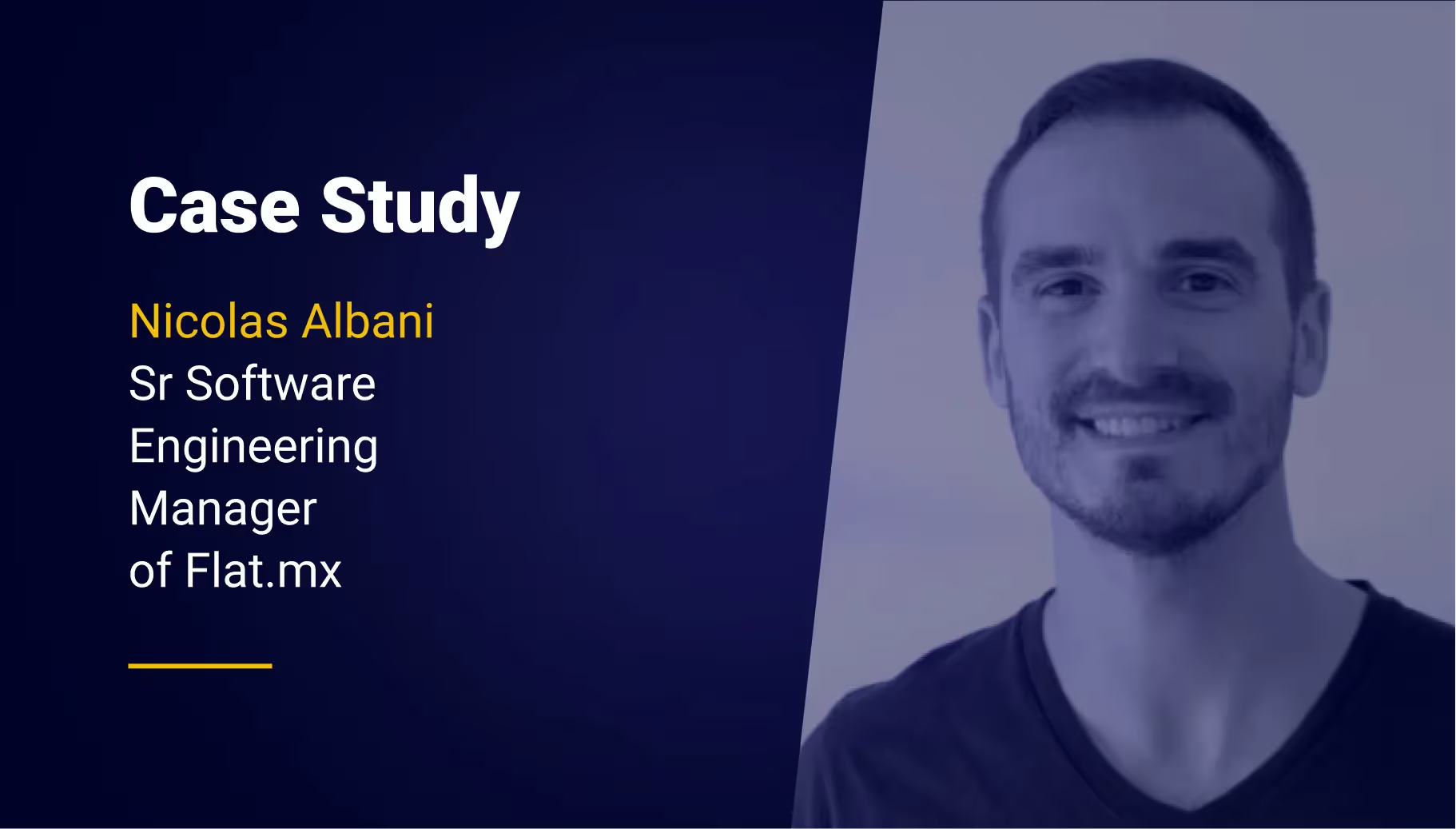
Initially launched three years ago, Nicolás Albani joined about a year ago during an expansion phase and is now the tech manager responsible for the backend and platform teams.
Flat Mx operates in Mexico City, Guadalajara, Puebla, and Monterey and welcomes both individuals who want to sell their property and those looking to buy one.
Flat Mx
Learn How Qovery helped Flat Mx Streamline their Development and Scale their Infrastructure
Challenges with Monolithic Application and Infrastructure Bottleneck
When Nicolás joined the team about a year ago, the engineering team was facing multiple challenges with their monolithic application, which included a mix of front-end and back-end. With their plans for growth and expansion, they knew they needed to split the application and improve their infrastructure. Their existing infrastructure, which relied on AWS EC2 instances and manual configuration, proved to be a bottleneck. Creating a new host or server took a week's worth of work, and the lack of a dedicated DevOps team made the process even more challenging. Sometimes, when developers were to test some features in their “staging” environment, it meant breaking existing features while testing, which was blocking the rest of the team. These challenges made it clear to the team that they needed to streamline their processes and find a more efficient solution.
Exploring Solutions for Faster Development and CI/CD Support
In their search for a better solution, Flat Mx first tried automating their manual processes with Terraform and scripts, but as they started to split their monolith into separate teams, their solution was no longer fast enough. To address their need for faster release cycle, they tried several alternatives for a couple of months. Unfortunately, they found that the solutions were still too green for their needs and lacked the polish and support they required.
Qovery: The Perfect Cloud Solution for Ephemeral Environments.
After discovering Qovery through some tech newsletters, they found it to be the perfect solution for their cloud needs. They loved the concept of Ephemeral environments that Qovery offered as it would provide them with a much better dev experience for the team. They found it to be a polished product with excellent documentation and support. One of the musts was that they were able to integrate Qovery with their existing solutions, such as Github actions for CI/CD and Doppler for Secret Management. The team at Qovery was extremely helpful in guiding them through the onboarding process and helping them identify any issues they encountered. They appreciated the use of Docker files to start their applications and found lots of helpful documentation for implementing tools like a reverse proxy with Nginx or Datadog integration.
A Fast and Frictionless Migration of 20+ Apps
Once they were confident that everything was working as expected, they started the migration. For the newer apps, this was a relatively simple and effortless process. They encountered some challenges with one of their older apps due to its design. The team was able to complete the migration of their 20 applications in both their safety and production environments over the course of two months. They were able to migrate some of their easiest application in just one or two days, which was fantastic. They appreciated the fact that everything was already well-documented, making it easy for them to work independently and not overly depend on Qovery’s tech team.
Key Results after Several Months of Using Qovery
Significantly Improved the Release Process
With the help of ephemeral environments, Flat can now test each feature separately and easily share them with other team members for quick feedback. Plus, any pesky bugs that crop up won't affect other environments because each one works in complete isolation. This means that they can speed up their release cycles and get their product to market much faster.
Enhanced DevEx and Team Autonomy
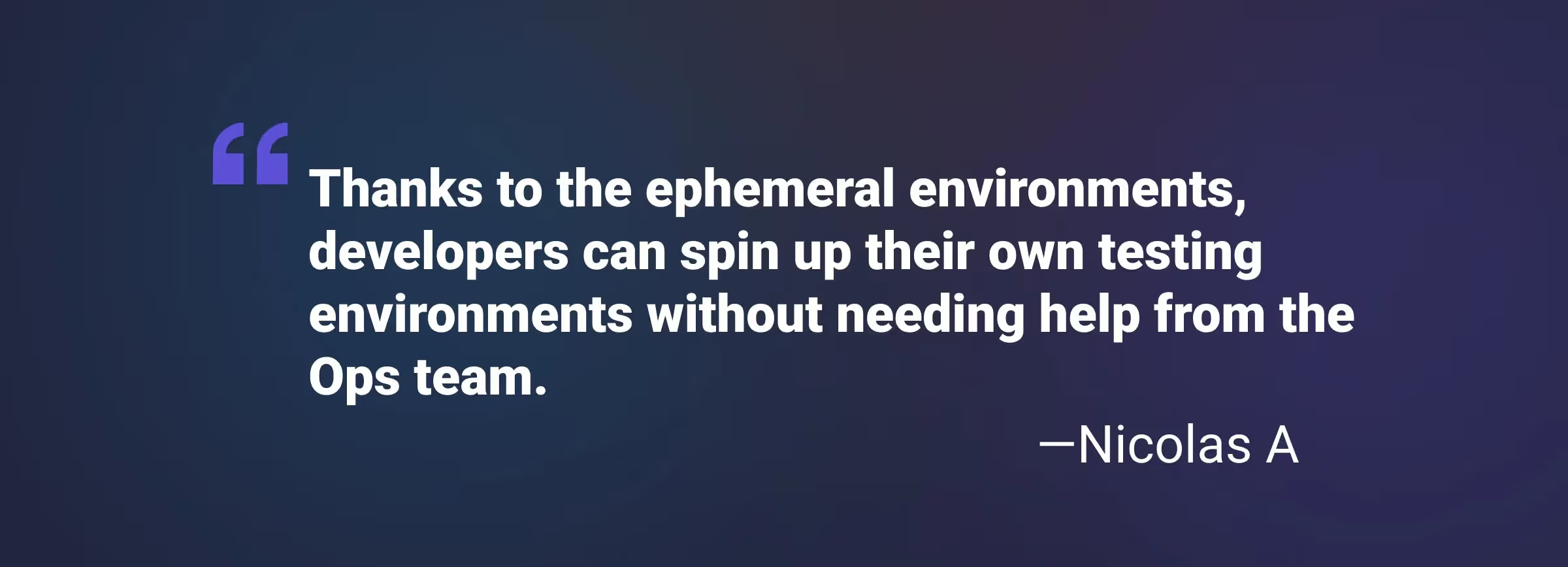
In the past, testing new features in the "staging" environment often meant breaking existing features while testing, which held up the whole team. Thanks to the ephemeral environments, developers can spin up their own testing environments without needing help from the Ops team. This self-service portal gave them better control over their deployments and releases, which in turn helps improve the quality of their code.
Quote
Streamlined Configuration and Permissions Management
Qovery has helped Flat Mx streamline their processes and enhance their team's development environment. One of the ways they use Qovery is through CI/CD integration with GitLab actions, which all of their developers use. The other way is through Qovery's platform, which their lead DevOps team and senior members utilize directly. With Qovery, they can manage configurations and permissions without having too many people involved, making it easy to assign different levels of permission to team members with varying levels of experience.
Reduce Infrastructure Costs
The icing on the cake, Flat is also saving around $1500 per month using Qovery and plans to save even more with our partnership with Usage.ai and future support for Graviton instances in AWS.
Better Efficiency
They've recently started using the Slack integration, which allows them to keep an eye on all their deployments in one place. They also integrated with Datadog early on, which has been incredibly useful for them. Another feature they love is the ability to seamlessly change the type of instances for a cluster without having to recreate everything from scratch. Qovery's environment management has been a game-changer for them, as it's more service-focused and makes things a lot clearer.
Game-Changing Environment Management and Console Redesign
They appreciate Qovery's constant efforts to improve their platform and have noticed that the new Qovery console is cleaner and easier to use than the old version. They've also been able to integrate new applications that had a longer startup time and get the whole process down to just a few minutes.
Agents ship fast. Guardrails keep them safe.
Qovery ensures every agent action is scoped, audited, and policy-checked. Start deploying in under 10 minutes.
In the future, they are hoping to see GPU processing support on Qovery, which would be a game-changer for their data team, as they handle many image recognition tasks that require GPU processing power. They have heard about a cost-effective GPU solution called dynamic and TPU inference on AWS and believe that it would be an excellent feature to have on Qovery.
One of the company's main goals is to have the biggest inventory of real estate in Mexico while still maintaining the highest possible quality. To achieve this, Flat Mx is leveraging its data capabilities, providing detailed and accurate information, and offering convenient features.
The company aims to create a great experience for both buyers and sellers with features like next-day scheduling and listing support. Ultimately, Flat Mx wants to be the go-to one-stop shop for real estate in Mexico, with a growing user base.
To make this happen, Flat Mx is optimizing all its processes and continuing to work on the technical team's delivery metrics and unifying practices to provide great support to the sales and operations teams.
If you want to speed up your release cycle as well and get similar results, book a demo with our team or sign up to Qovery today!