A paradigm-shifting concept has emerged in the dynamic and ever-evolving world of modern software development - Environment as a Service (EaaS). This innovative approach has swiftly become a cornerstone of streamlined development processes, offering developers the means to effortlessly provision, manage, and collaborate within diverse software environments. This article highlights the most distinguished EaaS platforms of 2023 and will guide you toward selecting the ideal EaaS solution that aligns seamlessly with your development aspirations.
Environment as a Service (EaaS) presents a groundbreaking approach that holds the potential to revolutionize the landscape of software development. At its core, EaaS refers to the process of provisioning comprehensive hosted application environments encompassing not just the application code but also its dependencies, runtime binaries, and configuration files. This dynamic provisioning allows development teams to swiftly create ephemeral environments, each tailored to individual feature branches. These ephemeral environments replicate production settings, allowing developers to rigorously test software under authentic conditions and subsequently discard these environments after testing.
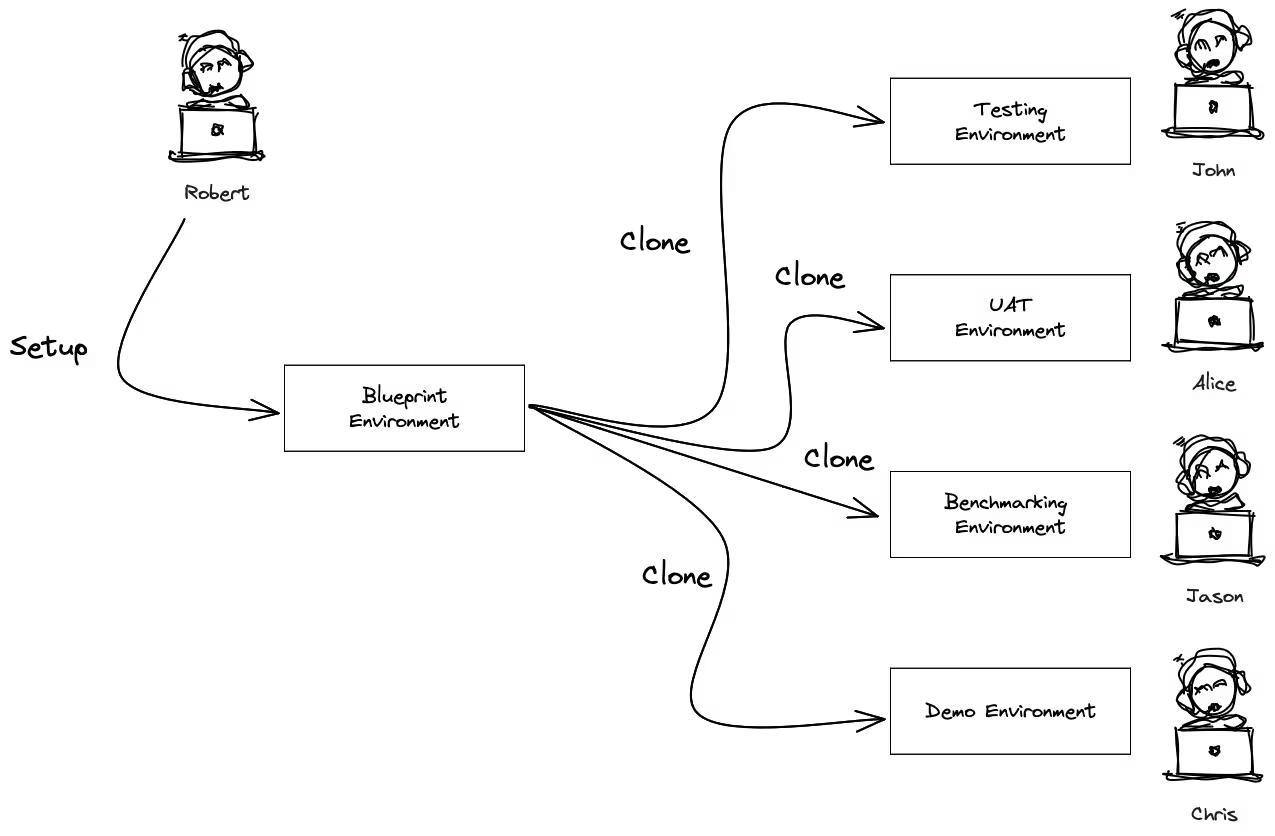
The concept of EaaS gains further clarity when visualized through the lens of Git strategy. EaaS excels in creating ephemeral preview environments for each Git branch, illustrated in Figure 1.
1. Define Your Environment > 2. Clone Your Environment> 3. Your Environment is deployed
Figure 1 - Environment as a service worfklow | Qovery
This methodology effectively transforms the development landscape by providing an isolated, realistic space for developers to test their code modifications.
5 Best Environment as a Service Platforms
1. Qovery
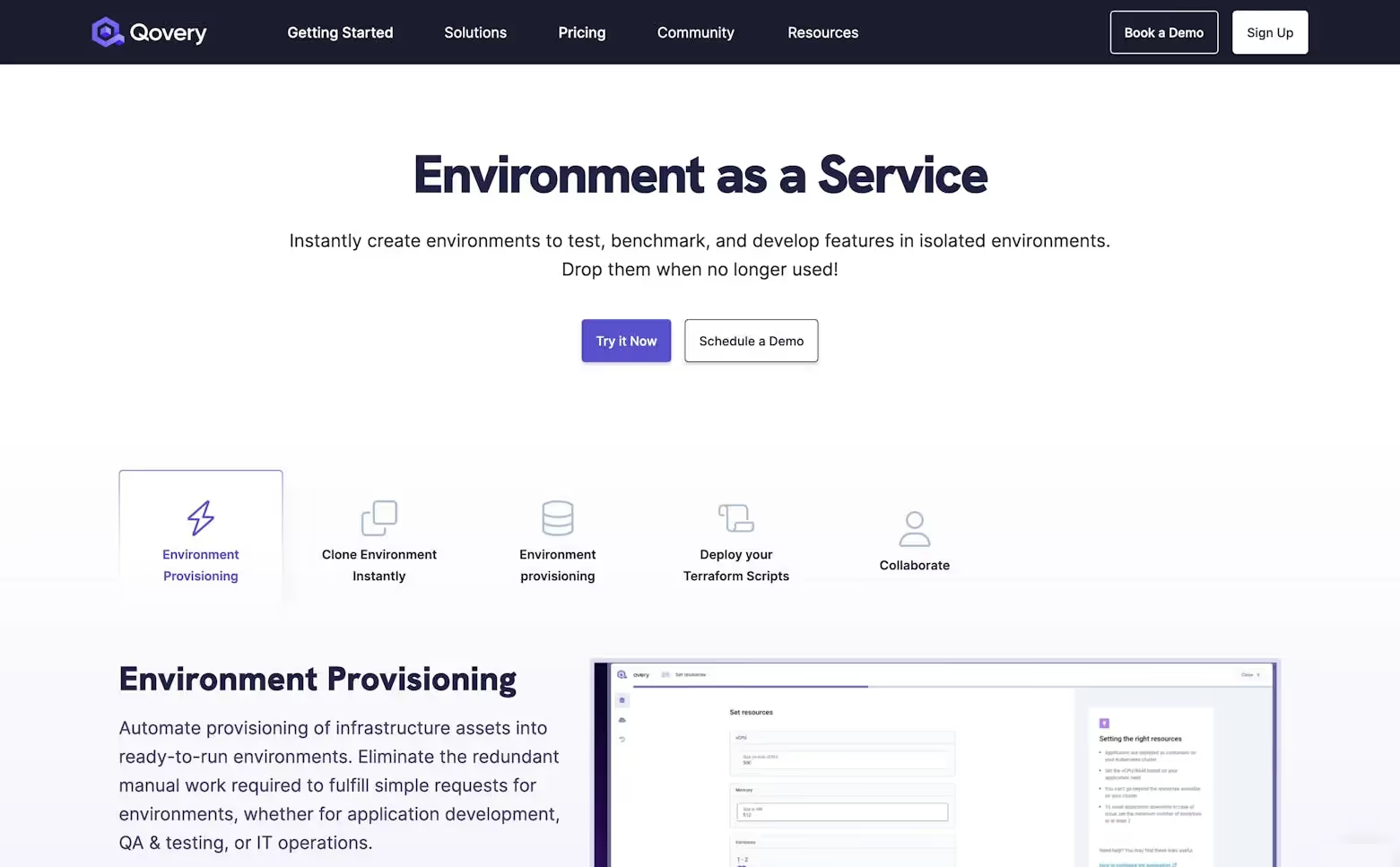
Qovery EaaS solution
Qovery stands out as a pioneering EaaS platform that places a premium on developer experience. Its suite of features is meticulously designed to optimize environment creation and management. Key attributes include auto-scaling, simplicity and automation, automated deployment, isolation and security, integration with CI/CD, monitoring, and observability...
Essentially, Qovery's EaaS solution caters to streamlined development, robust collaboration, and software quality assurance. Its user-centric approach and emphasis on automation render it a valuable asset for teams seeking efficient development practices with security and simplicity at the core.
2. Release
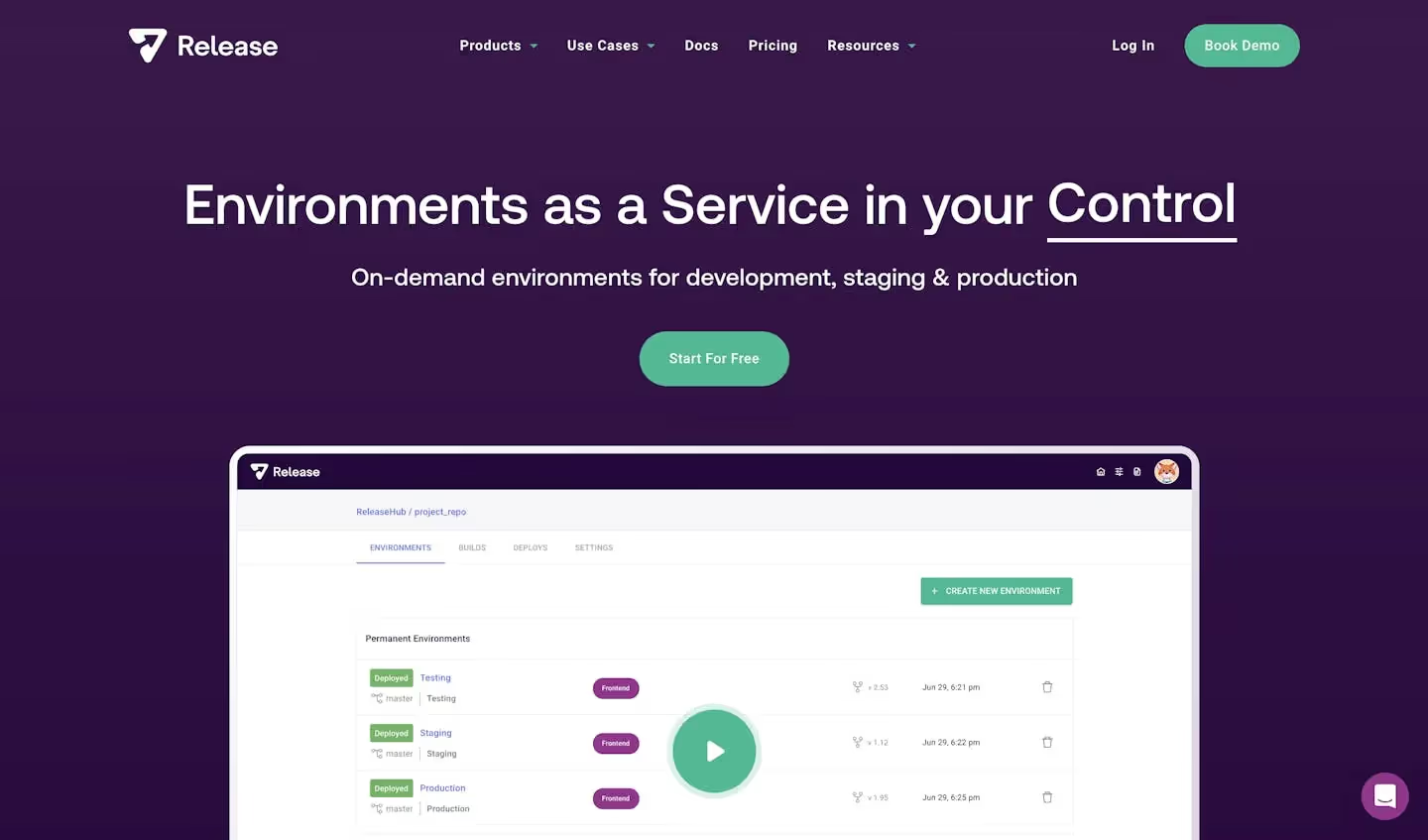
Release
Release is a platform focused on facilitating the deployment of EaaS environments. It offers features to simplify setting up and managing these environments. With integration capabilities for version control systems like GitHub and GitLab, Release Hub automates the deployment of code changes from repositories to EaaS environments. This streamlines testing and validation before merging changes into the main codebase. The platform aligns with continuous integration and continuous deployment (CI/CD) workflows, offering automation for deployment processes.
3. Uffizzi
Uffizzi
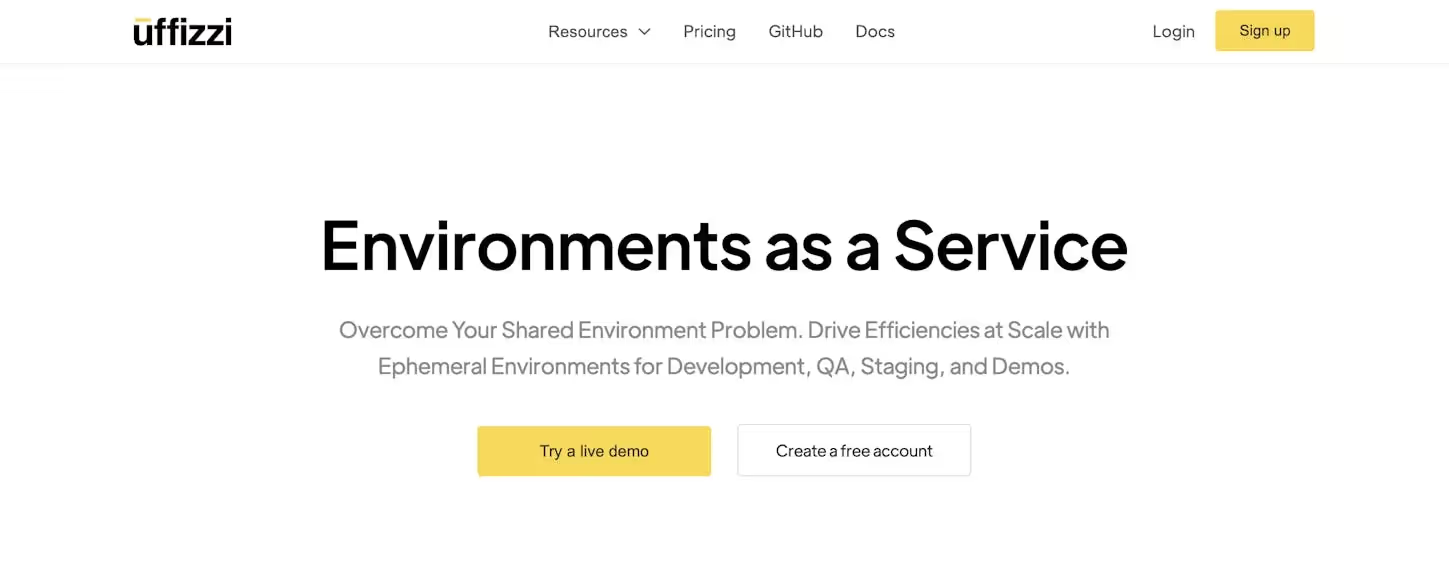
Uffizzi is an open-source platform designed to create and manage EaaS environments. It streamlines the process of creating isolated environments for testing code changes before integration. Uffizzi integrates with version control systems, automating the deployment of code changes to these environments. The platform supports continuous integration and continuous deployment (CI/CD) workflows, making it suitable for projects that require efficient automation.
4. Bunnyshell
Bunnyshell
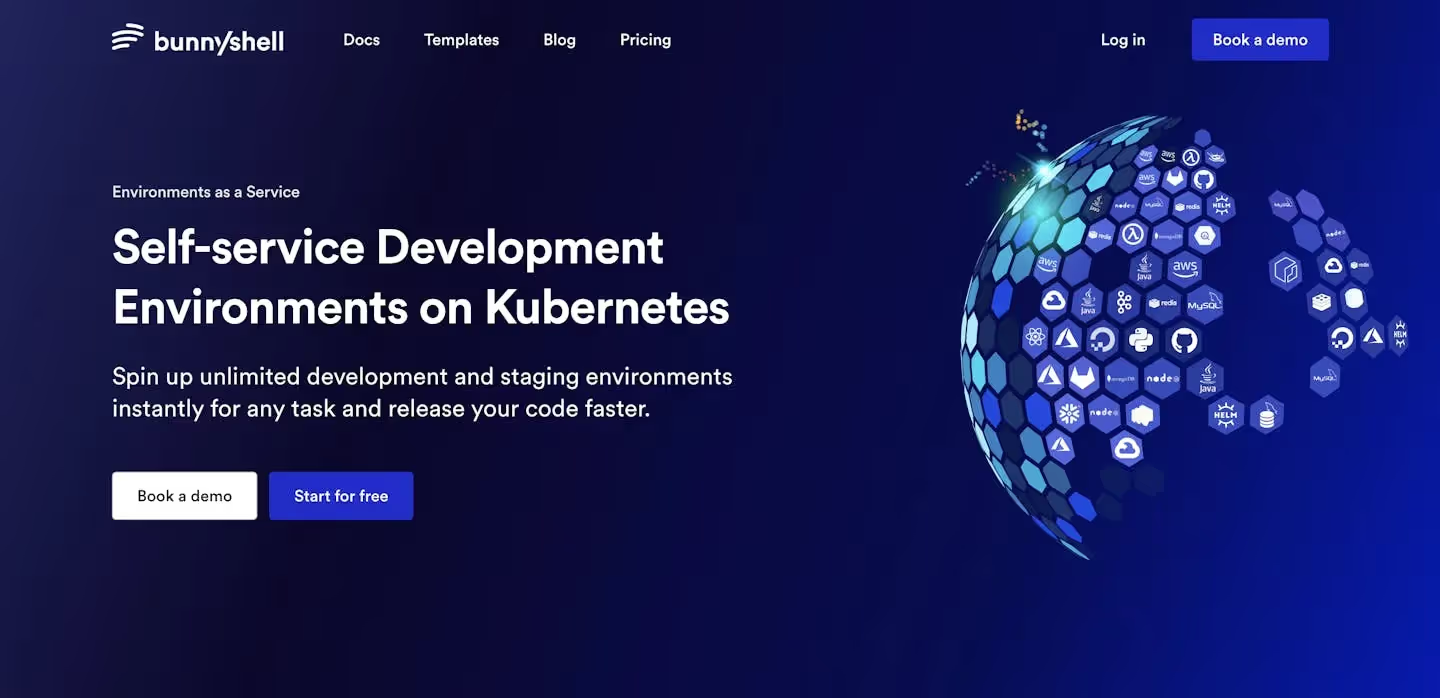
Bunnyshell is a DevOps automation platform that aims to simplify the management of cloud infrastructure and applications. It offers features to streamline various aspects of the development lifecycle. Bunnyshell allows developers to automate the provisioning and deployment of infrastructure, making it easier to set up and manage EaaS environments. It integrates with version control systems and CI/CD pipelines to automate the deployment process from code repositories to EaaS environments.
5. Okteto
Okteto
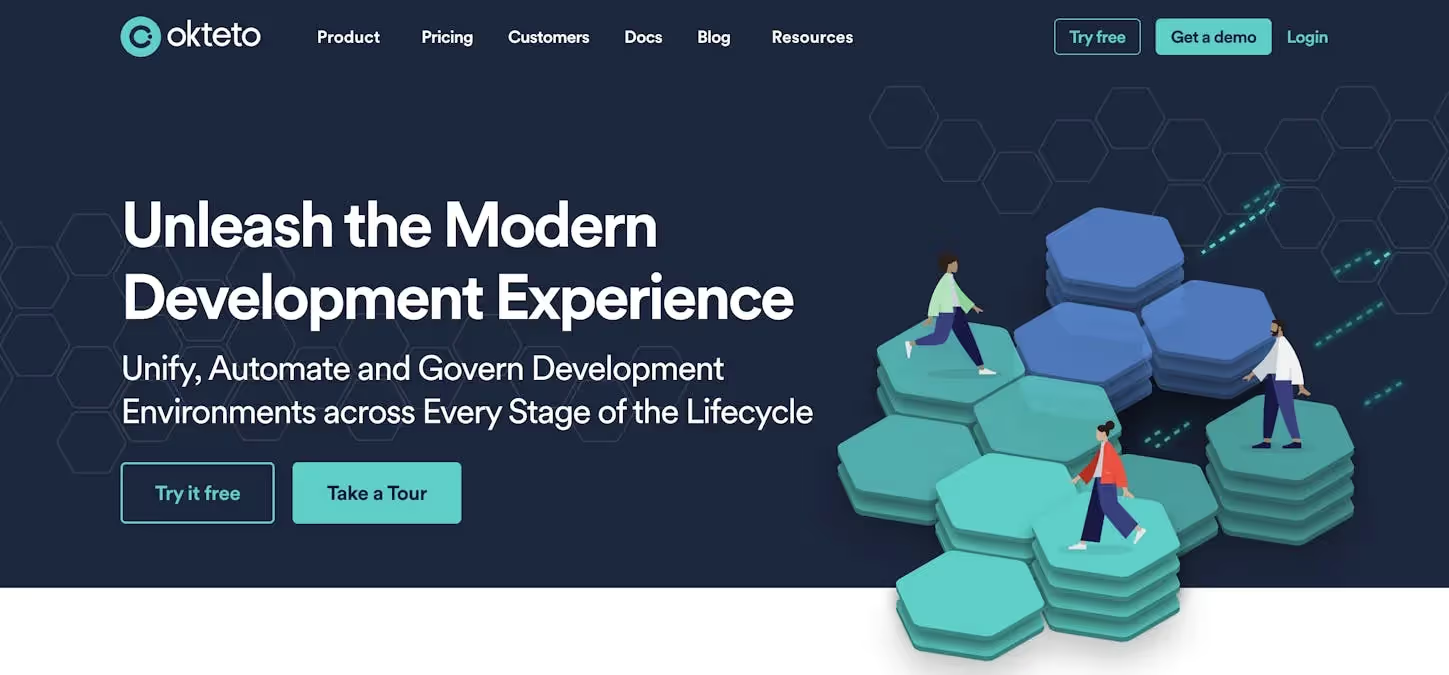
Okteto focuses on simplifying the process of creating development environments, particularly for individual feature branches. It provides isolated environments that replicate the production setup, enabling seamless testing and validation. Okteto integrates with popular version control systems like GitHub, automating the deployment of code changes to these environments. The platform aligns with continuous integration and continuous deployment (CI/CD) workflows, making it suitable for projects with a strong emphasis on automation.
Agents ship fast. Guardrails keep them safe.
Qovery ensures every agent action is scoped, audited, and policy-checked. Start deploying in under 10 minutes.
Considerations for Choosing the Right EaaS Platform
Selecting the perfect Environment as a Service (EaaS) platform is a pivotal decision that can significantly impact your software development journey. To ensure you make an informed choice, it's crucial to delve into the intricacies of various factors that distinguish one EaaS platform from another. Here, we delve into a comprehensive exploration of considerations that should guide your decision-making process.
Ease of Setup and Integration Capabilities
A pivotal consideration when evaluating EaaS platforms is their ease of setup and integration with your existing workflow. An intuitive and streamlined setup process reduces the learning curve, allowing developers to swiftly transition into the new environment. Look for platforms that seamlessly integrate with your preferred version control systems, container registries, and continuous integration/continuous deployment (CI/CD) platforms. This integration ensures that your chosen platform becomes an integral part of your existing toolchain, enhancing your team's productivity.
Scalability and Resource Efficiency
In the fast-paced realm of software development, your chosen EaaS platform should be ready to scale along with your projects. Assess the platform's ability to accommodate the varying demands of your development team, ensuring that it can efficiently provision and manage environments even during peak workloads. A platform with automatic scaling capabilities ensures that your development workflow remains uninterrupted, promoting seamless collaboration and consistent productivity.
Robust Security Features
Security remains a paramount concern when working within any development environment. As such, scrutinize the security features offered by EaaS platforms. Look for attributes such as isolated environments, encryption, access controls, and secure networking. These features safeguard your code, data, and sensitive information throughout the development and testing process, reducing potential vulnerabilities.
Support for Integrations and Frameworks
A well-rounded EaaS platform should seamlessly integrate with a spectrum of tools, technologies, and frameworks. Whether you're working with specific programming languages or employing particular frameworks, ensure that the platform supports your chosen stack. This compatibility ensures that your development environment aligns perfectly with your application's requirements, minimizing potential conflicts and roadblocks.
Pricing Structure and Value
Budget considerations are integral to any software development project. Scrutinize the pricing models of different EaaS platforms, evaluating both their upfront costs and potential hidden charges. Consider the value offered by each platform in relation to your project's scale, scope, and ambitions. Remember that while affordability is important, it should be balanced with the platform's capabilities and features.
Team Size and Project Complexity
The size of your development team and the complexity of your projects significantly influence your platform choice. Some EaaS platforms cater to smaller teams, while others thrive in collaborative, enterprise-level environments. Additionally, the complexity of your projects, such as the need for customizations or specialized testing, should align seamlessly with the platform's capabilities.
Selecting the right EaaS platform involves a meticulous evaluation of your team's specific needs, workflows, and development goals. By meticulously assessing each platform against these vital criteria, you can confidently choose the EaaS solution that propels your development efforts toward success. Remember that the perfect EaaS platform acts as an enabler, transforming your development landscape into a space of innovation, collaboration, and achievement.
Wrapping Up
EaaS platforms have ushered in a new era of efficiency and collaboration in software development. The featured platforms-Qovery, Okteto, Uffizzi, Release Hub, and Bunnyshell-offer a range of options to cater to diverse development requirements. By selecting the right EaaS platform, developers can enhance their software quality, foster collaboration, and accelerate their software delivery cycle. As you embark on this journey, remember that the right EaaS platform can be a catalyst for innovation and success.
Morgan co-founded Qovery and leads engineering. He writes about Kubernetes architecture, DevOps best practices, and building resilient infrastructure at scale.
Next step
Agents ship fast. Guardrails keep them safe.
Qovery ensures every agent action is scoped, audited, and policy-checked. Start deploying in under 10 minutes.