At Qovery, we're constantly striving to revolutionize the way platform engineers and developers experience cloud infrastructure. In 2023, we embarked on an incredible journey of growth, innovation, and customer satisfaction. Today, as we stand at the threshold of 2024, we're thrilled to share some of our most significant achievements and reveal our ambitious roadmap for the year ahead.
2023 was a pivotal year for Qovery, marked by milestones that have solidified our place as a leading cloud infrastructure platform. Here are some of our proudest achievements:
Exponential Usage Growth
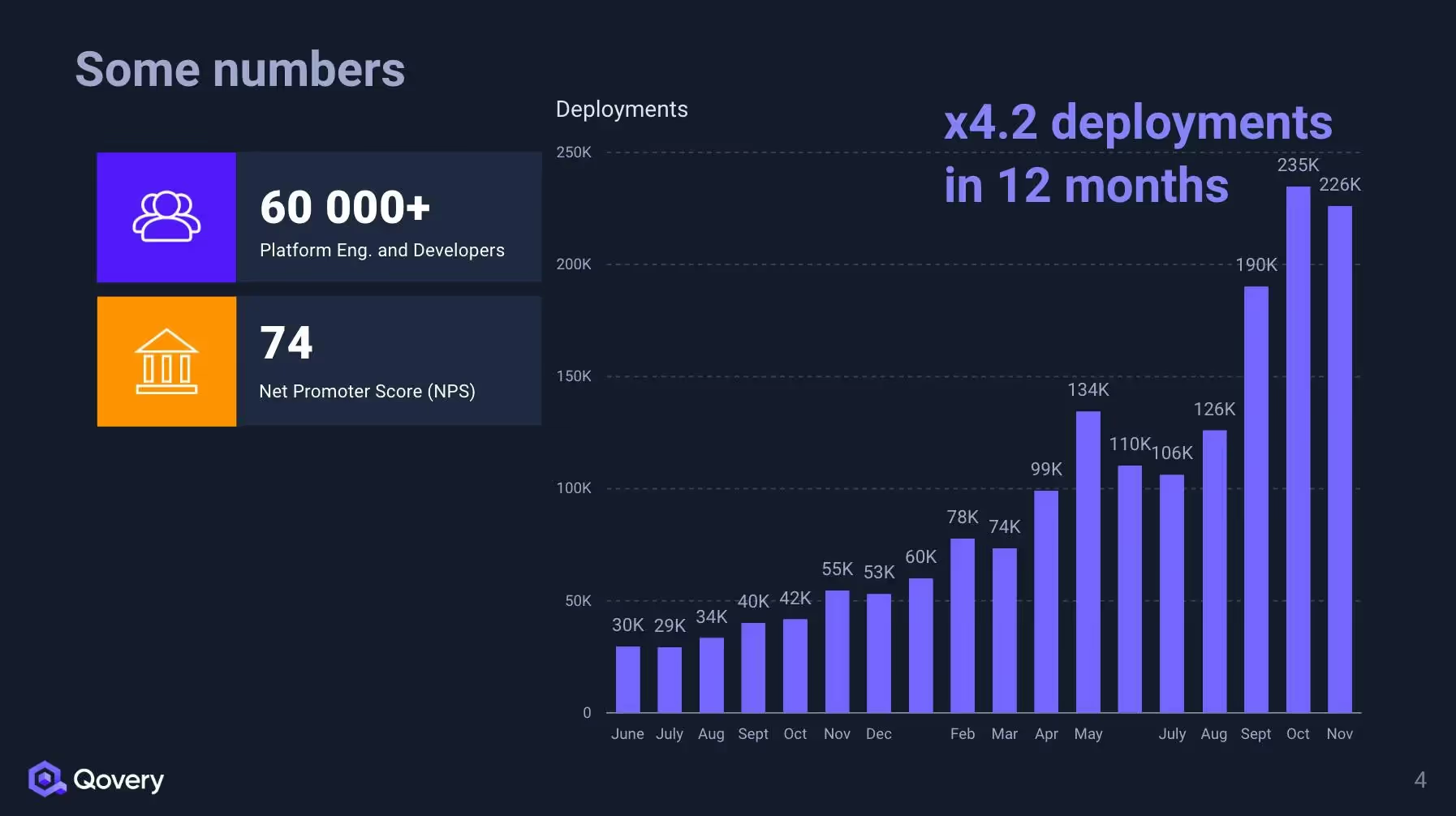
We witnessed an exponential increase in the number of deployments on Qovery, surpassing the 230,000 deployments per month 🚀.
Some numbers from Qovery - 60k+ Platform Engineers and Developers + NPS 74 + 4.2x Deployment growth in 12 months
This growth demonstrates the increasing adoption of our product among platform engineers and developers who appreciate its simplicity and effectiveness.
Financial Growth
On the financial side, We experienced remarkable growth in 2023, with our revenue increasing 4x and our customer base expanding by 3x. Our sales pipeline for Q1 is already full, indicating strong momentum heading into 2024.
Highly Recognized
We were recognized for our excellence by being named a Momentum Leader for the second time in the Cloud Infrastructure Automation category and achieving the 8th consecutive High Performer award in G2's Cloud Infrastructure Automation category.
We remained steadfast in our commitment to providing developers with an exceptional experience. We focused on streamlining the deployment process, simplifying onboarding, and providing comprehensive documentation.
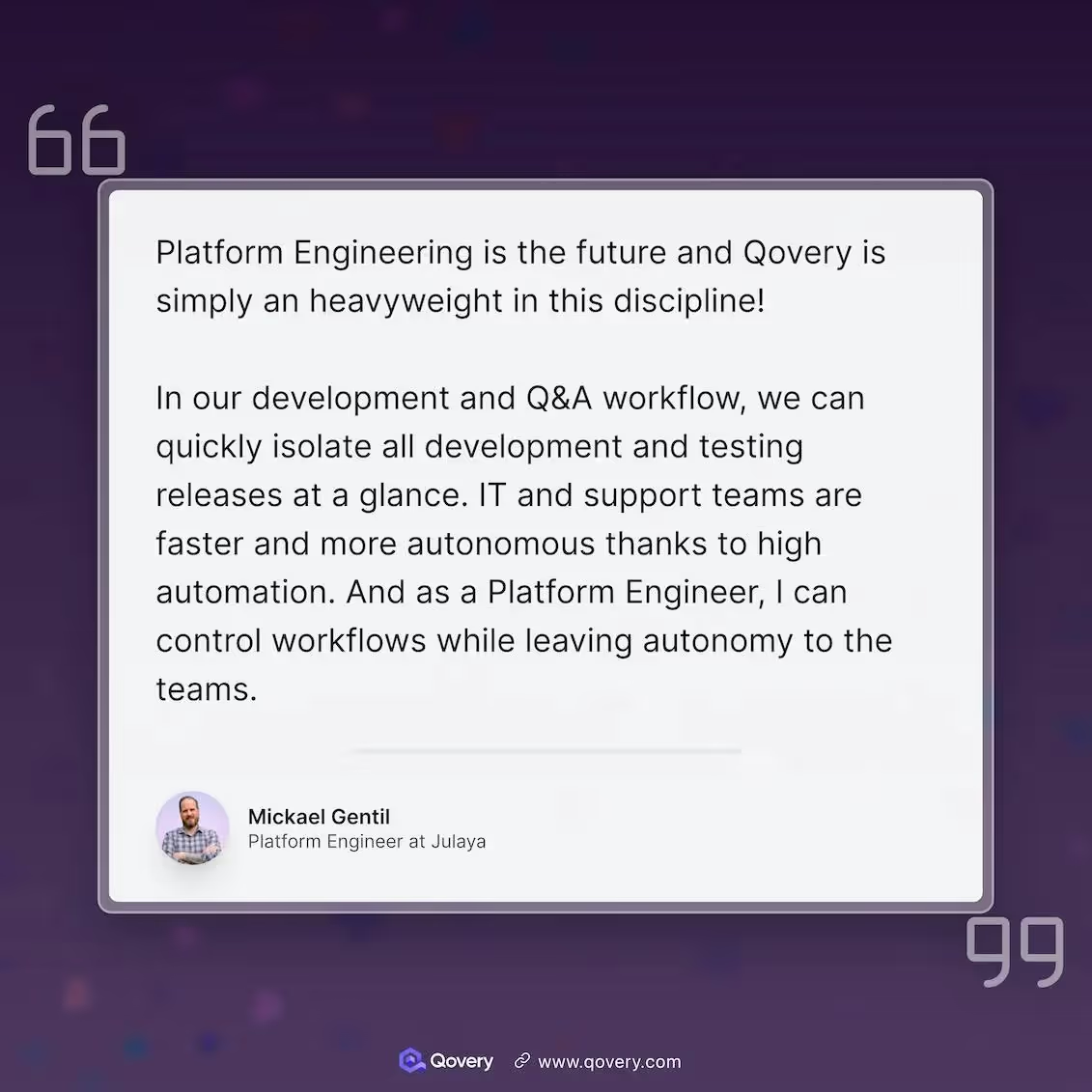
G2 Review from Mickael G. - Platform Engineer at Jualaya
These efforts have made Qovery the preferred platform for more than 60000 developers worldwide.
Key Partnerships
We forged strategic partnerships with three innovative companies, Doppler, Kubecost, and Usage.AI, to enhance our platform and provide developers with a holistic cloud deployment and management experience.
Agents ship fast. Guardrails keep them safe.
Qovery ensures every agent action is scoped, audited, and policy-checked. Start deploying in under 10 minutes.
As we embark on 2024, we're excited to announce our ambitious plans for continued growth and innovation. On the product side, we're thrilled to announce:
General Availability of GCP and Azure Support: We're expanding our reach to support two of the world's most popular cloud platforms, giving platform and engineering teams even more flexibility and choice.
General Availability of Qovery BYOK: We're empowering our customers to bring their own Kubernetes clusters to Qovery, providing them with complete control over their infrastructure. Read more about Qovery BYOK...
Further Development of Replibyte and Torii: We're deepening our commitment to open-source tools by enhancing Replibyte, our database seeding tool written in Rust, and Torii, our Internal Developer Portal.
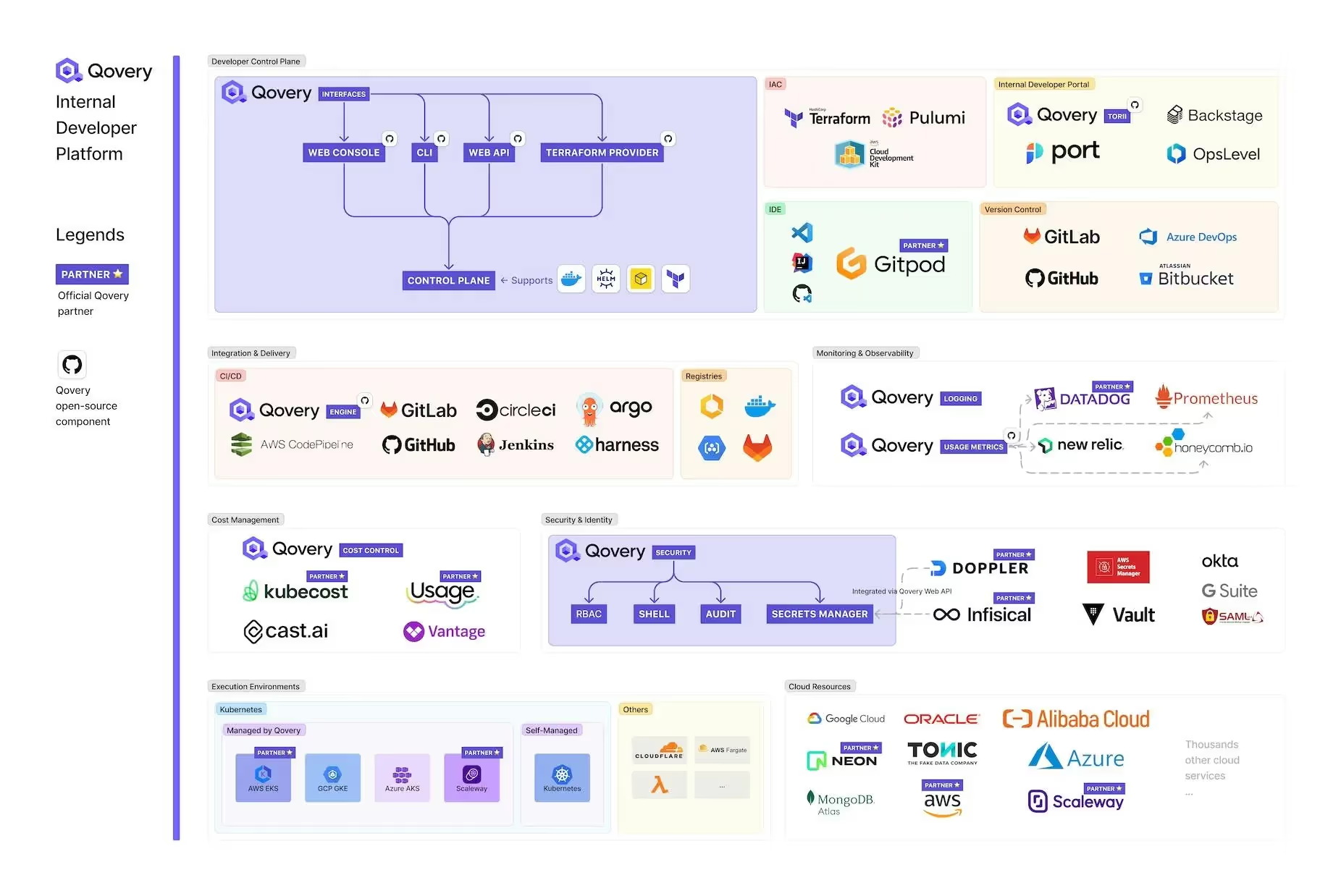
Qovery (Internal Developer Platform) and the ecosystem
On the business side, we're aiming for significant growth in 2024:
3x Customer Base and 4x Platform Usage: We're confident in tripling our customer base and quadrupling the usage of our platform, fueled by our commitment to innovation and customer satisfaction.
Achieving Profitability: We're on track to achieve profitability in 2024, a testament to our strong financial position and continued focus on operational efficiency.
Hiring: We're excited to open new positions in the coming weeks to sustain our growth and continue delivering innovative features that empower platform and engineering teams.
Growing Partnerships: We're deepening our partnerships with our strategic partners, including AWS, Doppler, Kubecost, and Usage, and working with additional partners like GCP and Azure to expand our reach and deliver more value to our customers.
Our Commitment to Our Community
As we look to the future, we remain deeply grateful to our community of customers, employees, investors, and partners. Your support has been instrumental in our growth and success. We're committed to delivering exceptional experiences and driving innovation that empowers platform and engineering teams to build and ship tomorrow's applications.
To further strengthen our commitment to the community, we'll continue to invest in attending key industry events like AWS summits and re:invent, which have already demonstrated great ROI in terms of engagement and brand awareness.
We believe that these events provide an invaluable platform to connect with platform and engineering teams, showcase our product, and foster collaborative partnerships.
Together, we'll continue to revolutionize the cloud infrastructure landscape and empower developers to achieve their full potential. Stay tuned for more exciting announcements and developments as we embark on this journey together.
Romaric founded Qovery to make Kubernetes accessible to every engineering team. He writes about platform strategy, developer experience, and the future of cloud infrastructure.
Next step
Agents ship fast. Guardrails keep them safe.
Qovery ensures every agent action is scoped, audited, and policy-checked. Start deploying in under 10 minutes.