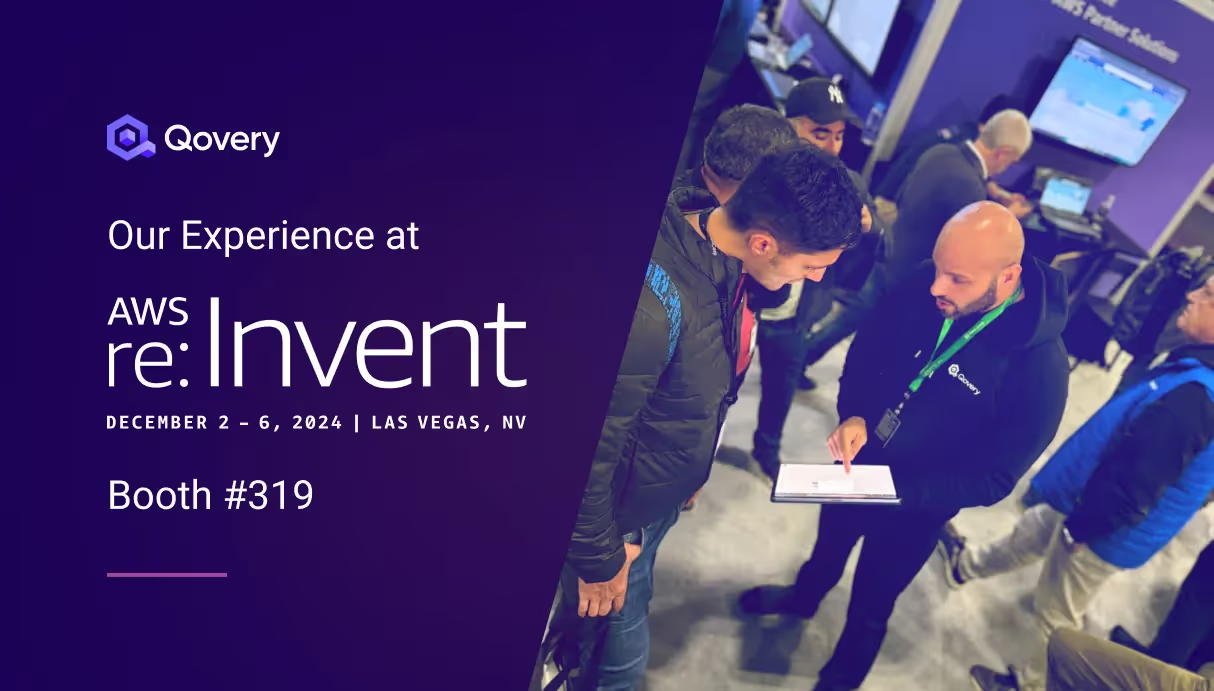
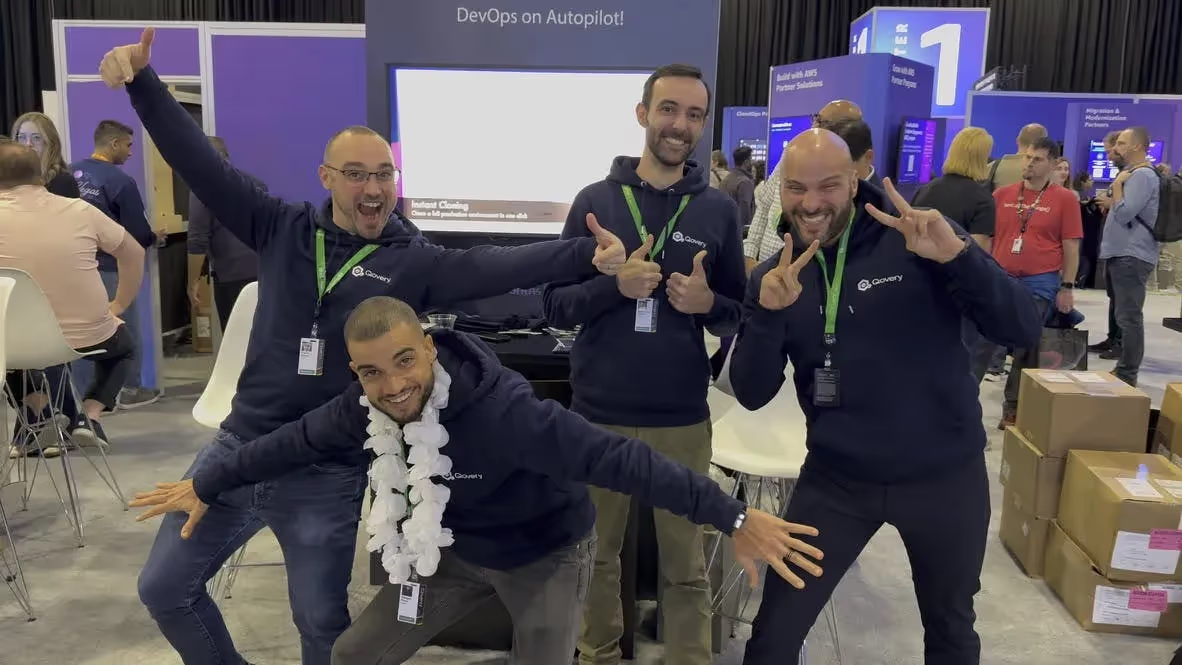
Last week, I had the incredible opportunity to attend AWS re:Invent 2024 in Las Vegas with Pierre (CTO), Morgan (CRO), and Alessandro (Lead PM) from the Qovery team. Re:Invent brought together over 60,000 cloud enthusiasts, and being part of it was both exhilarating and inspiring. For me, this wasn’t just about pitching our product; it was about sharing our passion for solving real-world problems, meeting amazing people, and embracing the energy of this global cloud community. Here are the lessons I learned from re:Invent.
AWS re:Invent is more than just a tech conference-it’s where cloud innovation happens. For a company like Qovery, focused on automating tedious, time-consuming, and costly DevOps tasks, having a booth in the AWS Marketplace space was a no-brainer. This event brought together the right decision-makers-people who truly understand the challenges of managing infrastructure-and gave us the perfect stage to demonstrate how Qovery makes a difference.
Human Connections in a Digital World
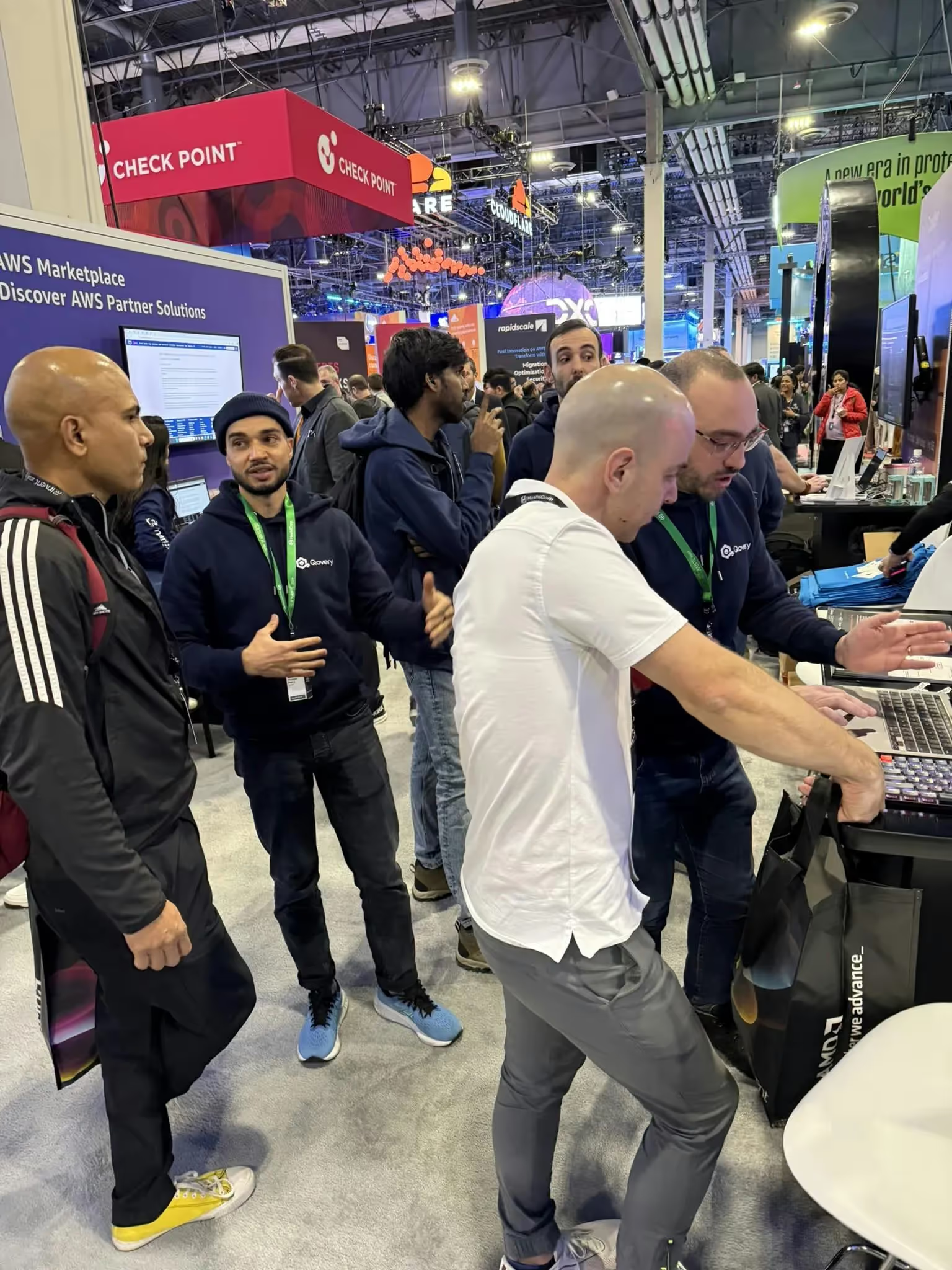
As much as I love technology, nothing beats the power of face-to-face interactions. Meeting our customers, prospects, and partners in person at re:Invent was an absolute highlight. We had the chance to share ideas, gather feedback, and build stronger relationships.
Alessandro, Morgan, and Pierre talking/doing product demo to people at re:Invent 2024
These real-life conversations reminded me why human connection is irreplaceable in a world dominated by Zoom calls and Slack messages 😁 (I still love Slack).
The Magic of Live Demos
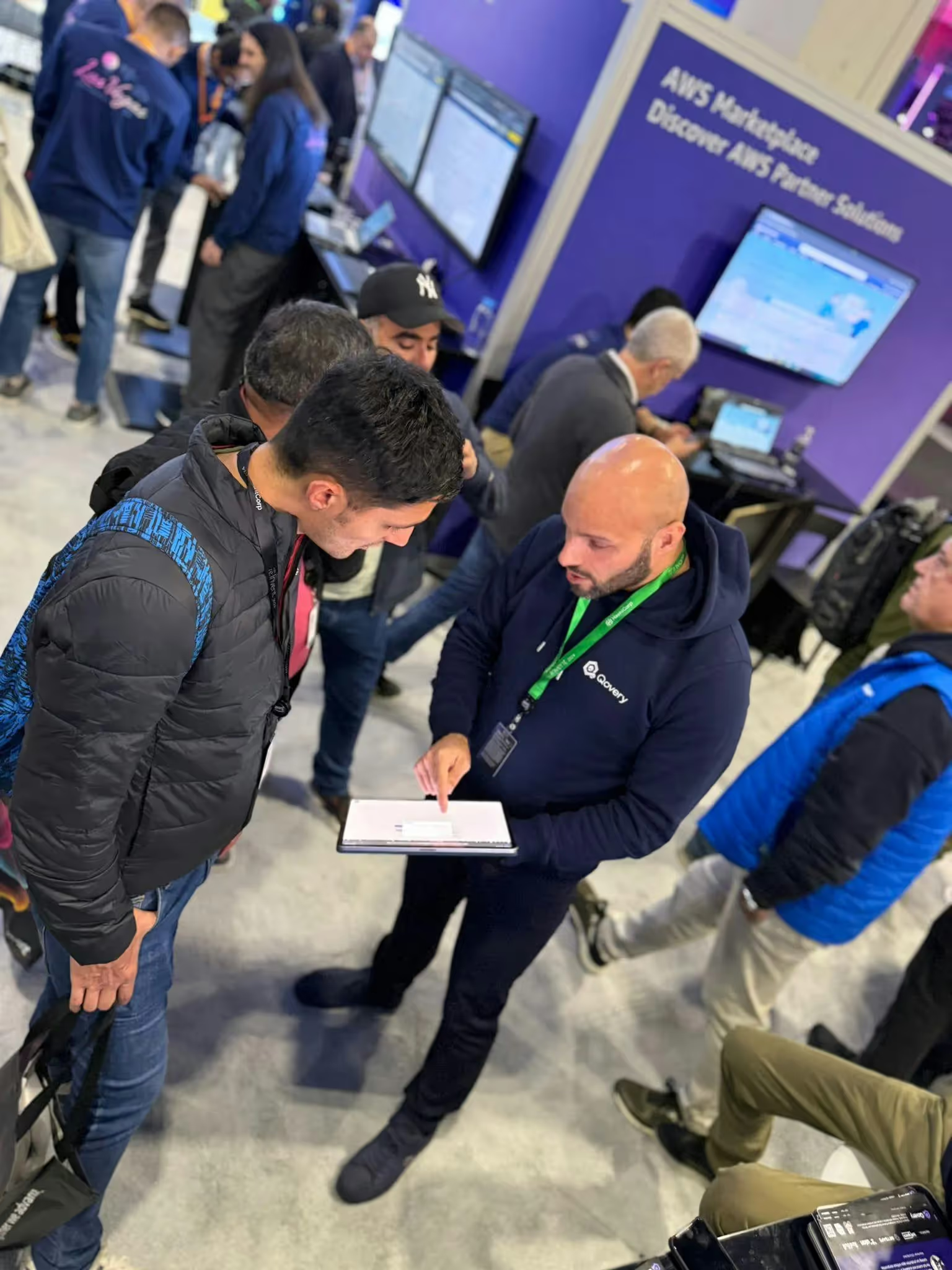
If you know me, you know how passionate I am about showing Qovery in action. At re:Invent, we delivered hundreds of live demos, and I have to say, the “wow” moments were unforgettable. Watching decision-makers react to how Qovery can simplify DevOps and drastically cut costs was so rewarding.
Live demos were very appreciated from curious
The fact that we ran these demos straight from an iPad - no mouse, no keyboard - made it even cooler and showcased how accessible our platform truly is.
Challenges We Faced (and Learned From)
Rethinking Goodies
Let’s talk about freebies. While they’re a great way to draw people to your booth, we quickly learned that they can also attract the wrong crowd. Some visitors were more interested in our swag than our story. So, we decided to give goodies only to those who genuinely wanted to learn about Qovery-customers, partners, and prospects. A quick 30-second chat was usually enough to tell who was truly interested.
Be Ready To Walk
AWS re:Invent is massive. Coordinating meetings across different venues meant long walks, and I had to cancel a few meetings because of the time it took to get from one place to another. While it’s not always possible to centralize everything, this experience taught me the importance of planning better and maybe prioritizing meetings closer to the booth. (sorry for all I had to cancel 🙏🏼)
No Third Challenge!
Honestly, there’s not much else to criticize. AWS re:Invent is hands down the best event we’ve attended as a team. From the volume of meaningful conversations to the excitement around our demos, it’s clear that this event is a must for us.
Meeting decision-makers from Fortune 500 companies was the cherry on top, and I’m already counting the days to next year’s event.
Agents ship fast. Guardrails keep them safe.
Qovery ensures every agent action is scoped, audited, and policy-checked. Start deploying in under 10 minutes.
AWS re:Invent 2024 was an unforgettable experience. It reinforced my belief in what we’re building at Qovery and the value we bring to companies struggling with DevOps and infrastructure challenges. The connections we made and the lessons we learned will shape our next steps as a team.
The Qovery Team - Last Day - End of Event
To everyone I met-thank you for taking the time to connect and share your insights. And to those who haven’t experienced AWS re:Invent yet-mark your calendar for 2025. It’s a place where cloud innovation comes alive, and I’m thrilled that Qovery gets to be part of it.
I want to thank our Partner Manager at AWS, Aurore Poirier, who helped us get there. Thank you Aurore!
See you next year!
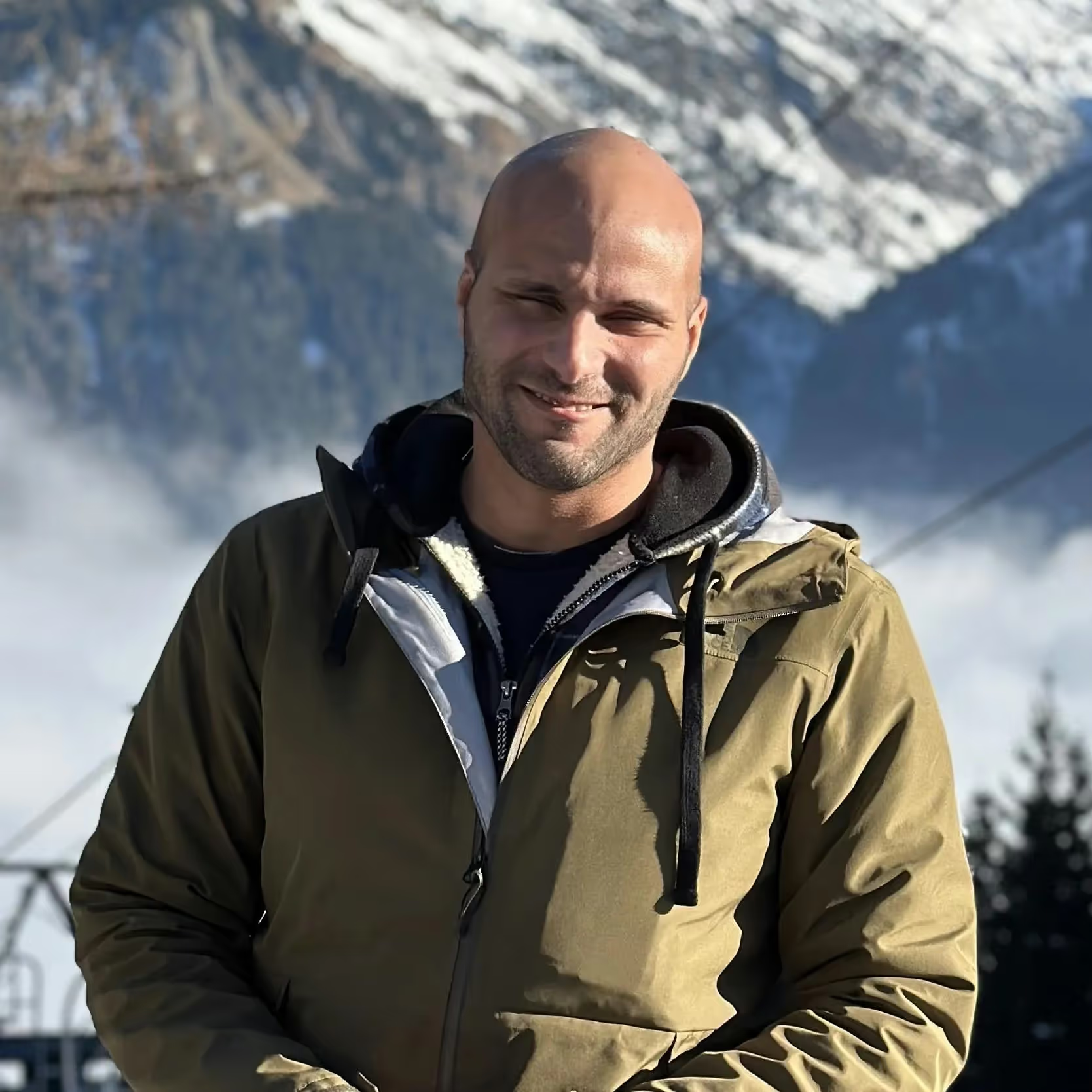
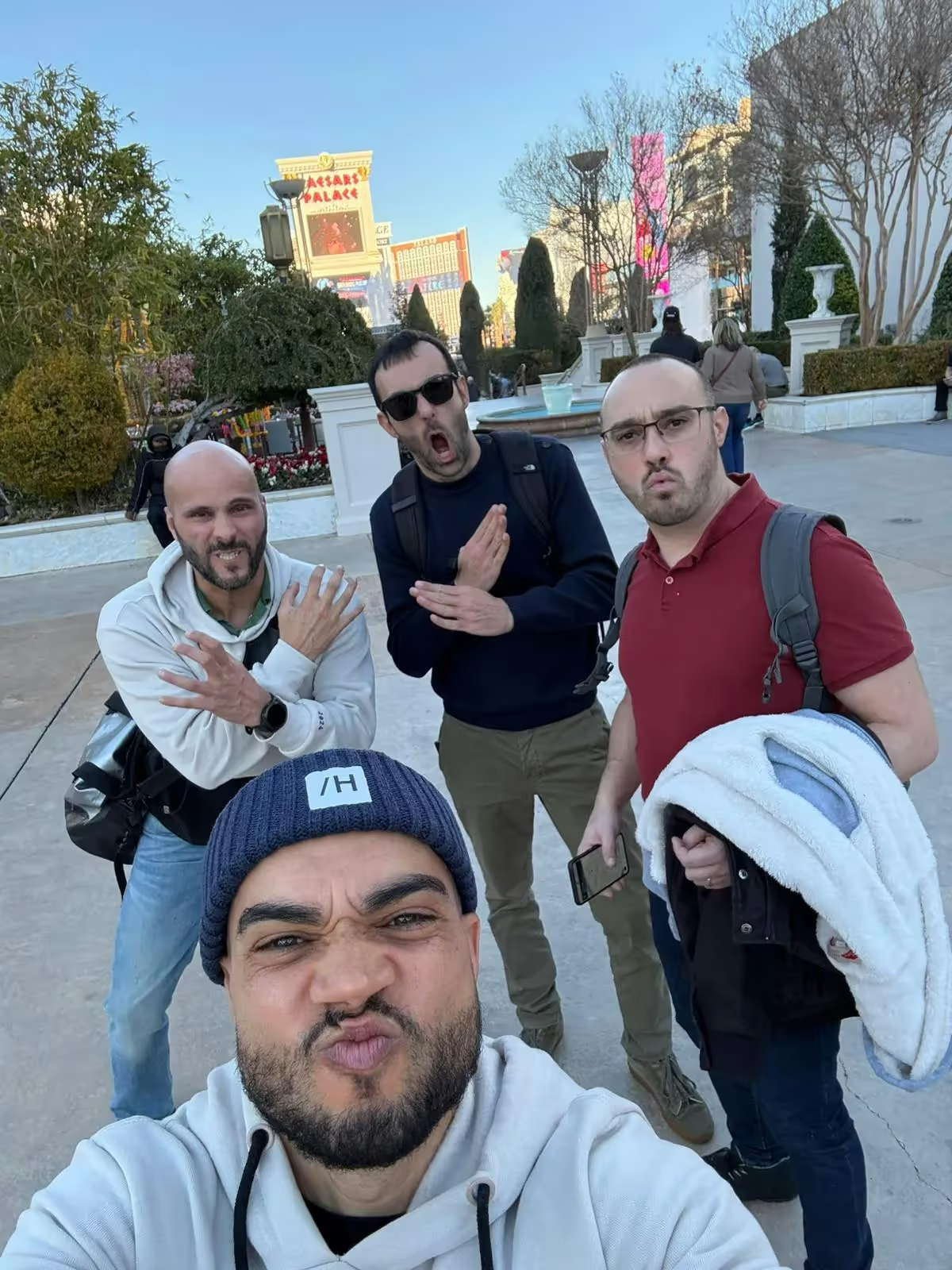
Bonus photo: still energized even after a crazy week of work 😂
Romaric founded Qovery to make Kubernetes accessible to every engineering team. He writes about platform strategy, developer experience, and the future of cloud infrastructure.
Next step
Agents ship fast. Guardrails keep them safe.
Qovery ensures every agent action is scoped, audited, and policy-checked. Start deploying in under 10 minutes.