DevOps Stack: Our Guide To Choose the Best DevOps Stack
Startups operate in a fast-paced and highly competitive landscape, where delivering high-quality software quickly is crucial for success. This is where the right DevOps stack becomes a game-changer. DevOps practices and tools enable startups to streamline their development processes for various projects, improve collaboration, and accelerate software delivery. In this comprehensive guide, we aim to empower startups with the knowledge they need to choose the best DevOps stack for their unique needs and goals.
To embark on the journey of choosing the right DevOps stack, it's essential to understand what a DevOps stack is and its significance in the software development lifecycle. A DevOps stack encompasses a collection of tools and technologies that enable teams to collaborate, automate, and streamline their development workflows. It typically includes components such as infrastructure as code, CI/CD and deployment tools, containerization platforms, secret management, and monitoring and observability, often incorporating Azure as a cloud provider. By integrating these components seamlessly, a well-constructed DevOps stack fosters efficient collaboration and automation, leading to faster and more reliable software delivery.
But how do you select those tools, and what should you consider? That's what we're going to look at now.
Key Considerations for Choosing a DevOps Stack
When selecting a DevOps stack, several important factors should be considered. These factors ensure that the chosen stack aligns with the organization's needs and goals, facilitating efficient collaboration and automation. Here are the key considerations:
Scalability: Ensure that the DevOps stack can scale along with the organization's growth. It should handle increased workloads and growing demands without compromising performance.
Flexibility: Choose a DevOps stack that offers flexibility to accommodate evolving business needs and technology choices. It should support multiple programming languages, frameworks, and deployment models.
Ease of Use: Opt for a DevOps stack with intuitive user interfaces, comprehensive documentation, and easy-to-follow tutorials. This reduces the learning curve and enables quick adoption by the team.
Integration Capabilities: Evaluate the integration capabilities of the DevOps stack, including open standards and APIs. Ensure it seamlessly integrates with your existing tools, technologies, and infrastructure. Look for solutions that offer extensive integration options and support for popular version control systems, CI/CD tools, and cloud providers.
Extensibility and Customization: Assess the extensibility of the DevOps stack. Determine whether it allows you to customize and extend its functionalities to meet your specific requirements. Look for solutions offering robust APIs, plugins, and an active community contributing to the stack's ecosystem.
Learning Curve: Consider the complexity of the tools and technologies involved in your work environment. Choose a DevOps stack that aligns with the team's existing skills or can be learned efficiently.
Community Support and Documentation: Consider the level of community support and the availability of comprehensive documentation for the DevOps stack. An active community can provide valuable insights, troubleshooting assistance, and resources for learning and staying updated. Look for solutions that have an engaged community and provide thorough documentation.
Specific Needs and Goals: Align the DevOps stack with the organization's specific needs and goals. Consider development processes, business objectives, industry requirements, and compliance regulations.
Prioritize scalability, flexibility, ease of use, learning curve, community support, compatibility, and alignment with organizational goals. This ensures a solid foundation for streamlined development processes and accelerated software delivery.
Best DevOps Stack Solutions
To explore the landscape of DevOps stack solutions, let's delve into some of the most widely used tools and platforms in different categories:
A. Infrastructure as Code
Infrastructure as Code (IaC) tools allow teams to define and manage infrastructure resources programmatically. Two widely used solutions in this category are Terraform and Pulumi.
Terraform
Terraform enables infrastructure provisioning and management across various cloud providers. Its declarative syntax and modular architecture make it easy to define and version infrastructure as code. Terraform offers a vast collection of providers and modules, making it highly versatile and widely adopted.
Terraform
Pulumi
Pulumi takes a programming language-based approach to infrastructure provisioning. It allows developers to use familiar programming languages like JavaScript, Python, or Go to define infrastructure as code. Pulumi supports multiple cloud providers and offers a smooth transition from existing programming practices to infrastructure as code.
Pulumi
B. CI/CD and Deployment Tools
Continuous Integration and Continuous Deployment (CI/CD) tools automate the building, testing, and deployment of applications. Here are some popular solutions in this category:
CircleCI
CircleCI provides a cloud-based CI/CD platform that integrates with popular version control systems and offers seamless automation. It supports a wide range of programming languages and provides easy configuration through YAML files.
CircleCI
GitHub Actions (by GitHub)
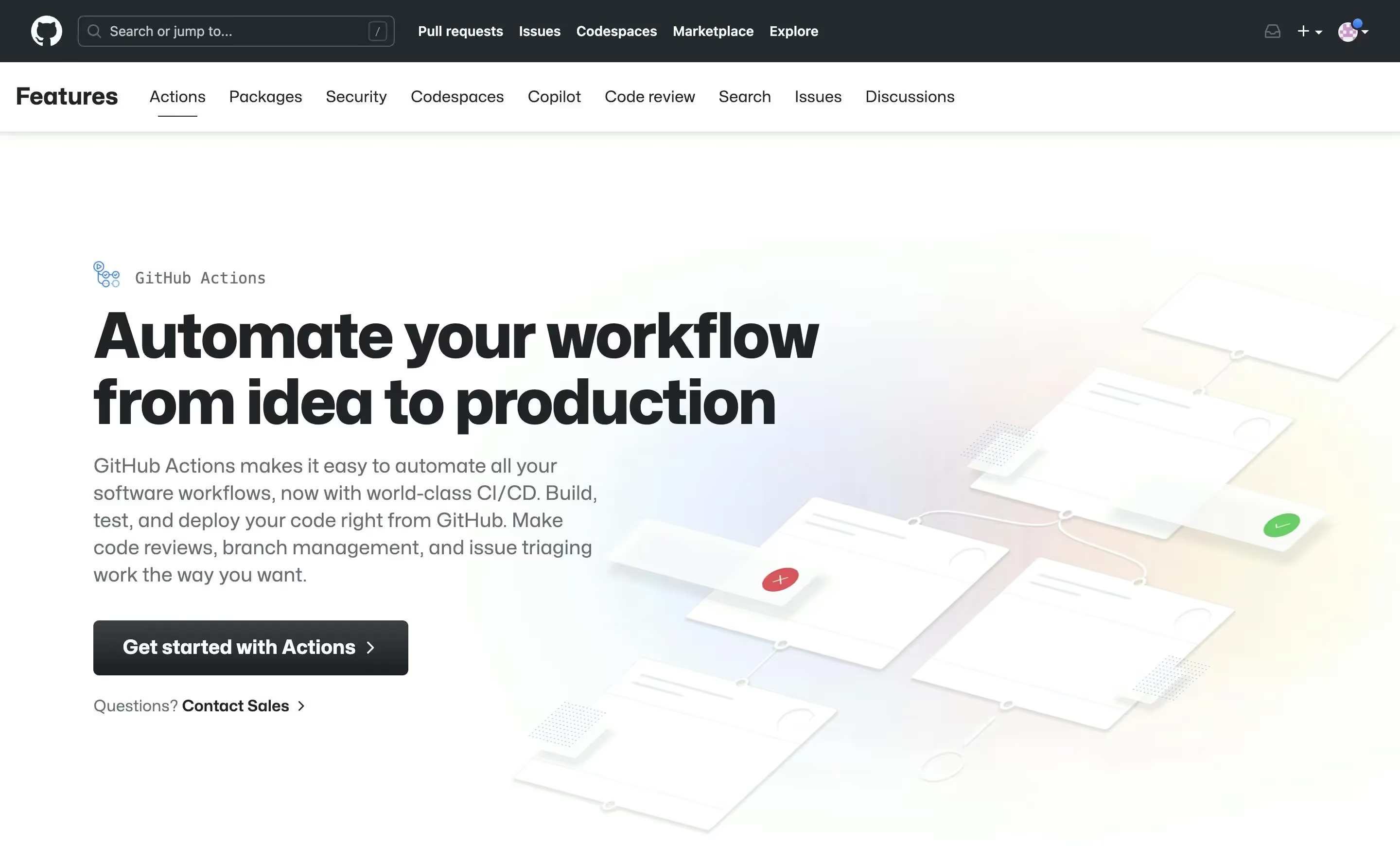
GitHub Actions is a fully integrated CI/CD platform within the GitHub ecosystem. It allows developers to define workflows directly in their repositories, triggering automated actions based on events. GitHub Actions offers flexibility and seamless integration with other GitHub features.
GitHib Actions
GitLab
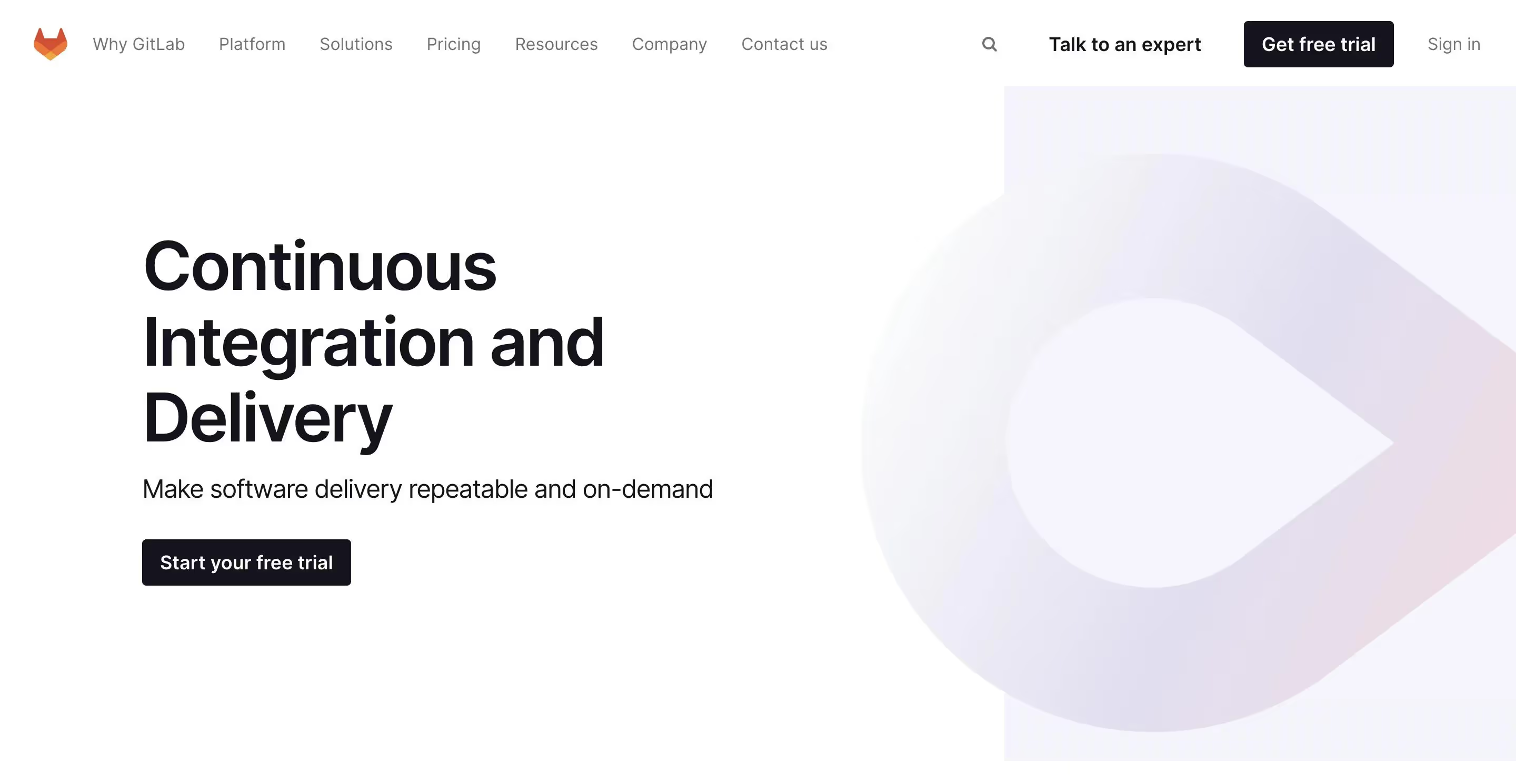
GitLab, similar to Azure DevOps, offers an end-to-end DevOps platform with built-in CI/CD capabilities. It provides a comprehensive set of tools for source code management, continuous integration, and continuous deployment. GitLab's unified interface simplifies collaboration and streamlines the software delivery pipeline.
Gitlab
Harness
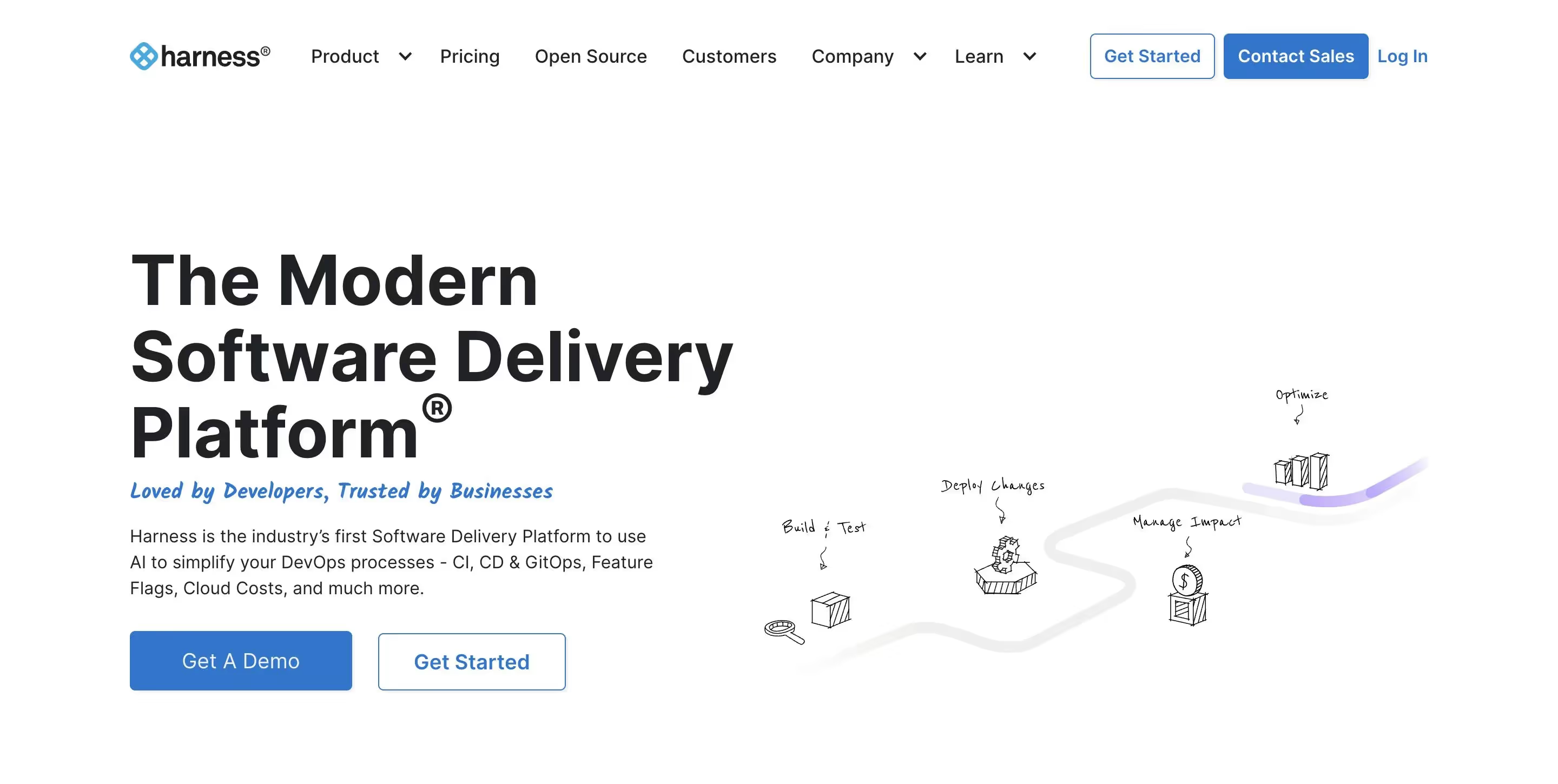
Harness is a modern CI/CD platform focusing on continuous delivery and intelligent automation. It offers advanced features such as automated canary deployments, machine learning-based verification, and observability, enabling teams to release software with confidence.
Harness
C. Containerization Platforms
Containerization platforms enable the efficient packaging, deployment, and management of applications. The two leading solutions in this category are Docker and Kubernetes.
Docker
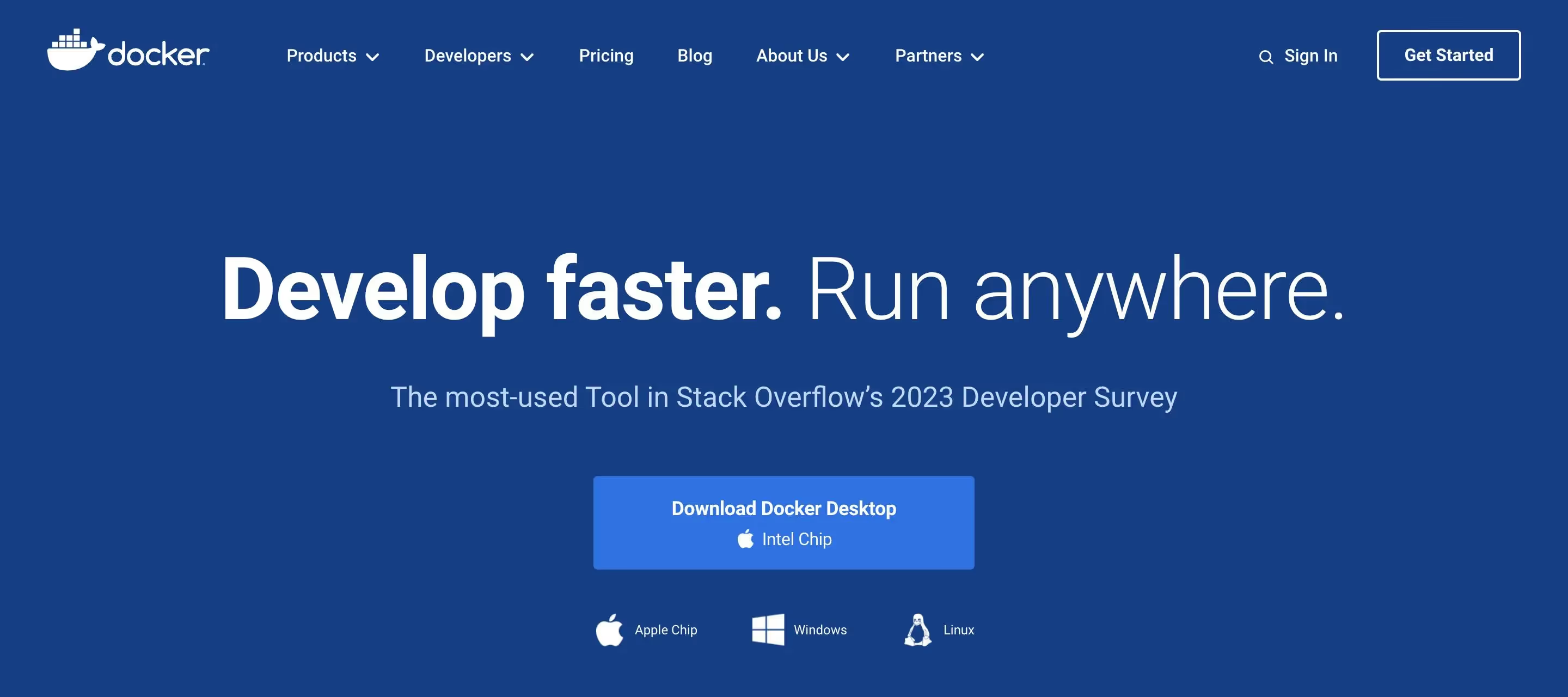
Docker is a popular platform for building, packaging, and distributing containerized applications. It provides a lightweight and portable runtime environment for running applications in containers. Docker simplifies the process of container creation and offers easy-to-use tools for container management.
Docker
Kubernetes
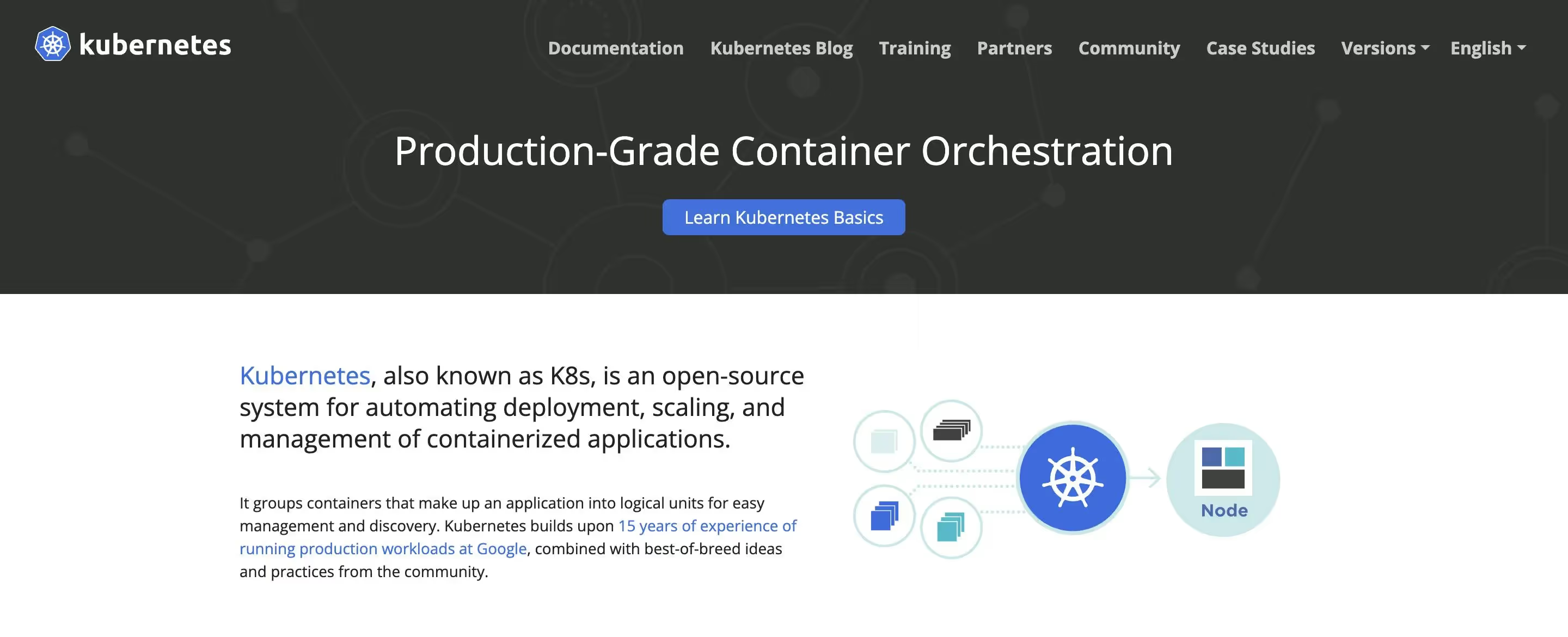
Kubernetes is an open-source container orchestration platform that automates the deployment, scaling, and management of containerized applications. It provides advanced features for load balancing, service discovery, and self-healing. Kubernetes offers a robust ecosystem and is widely adopted for managing containerized workloads at scale.
Kubernetes
Agents ship fast. Guardrails keep them safe.
Qovery ensures every agent action is scoped, audited, and policy-checked. Start deploying in under 10 minutes.
A DevOps automation platform is a comprehensive solution that enables organizations to automate and streamline their development and deployment processes. It acts as a central hub for managing and orchestrating the different stages of the software delivery lifecycle, from code commit to production deployment. One leading solution in this category is Qovery.
Qovery
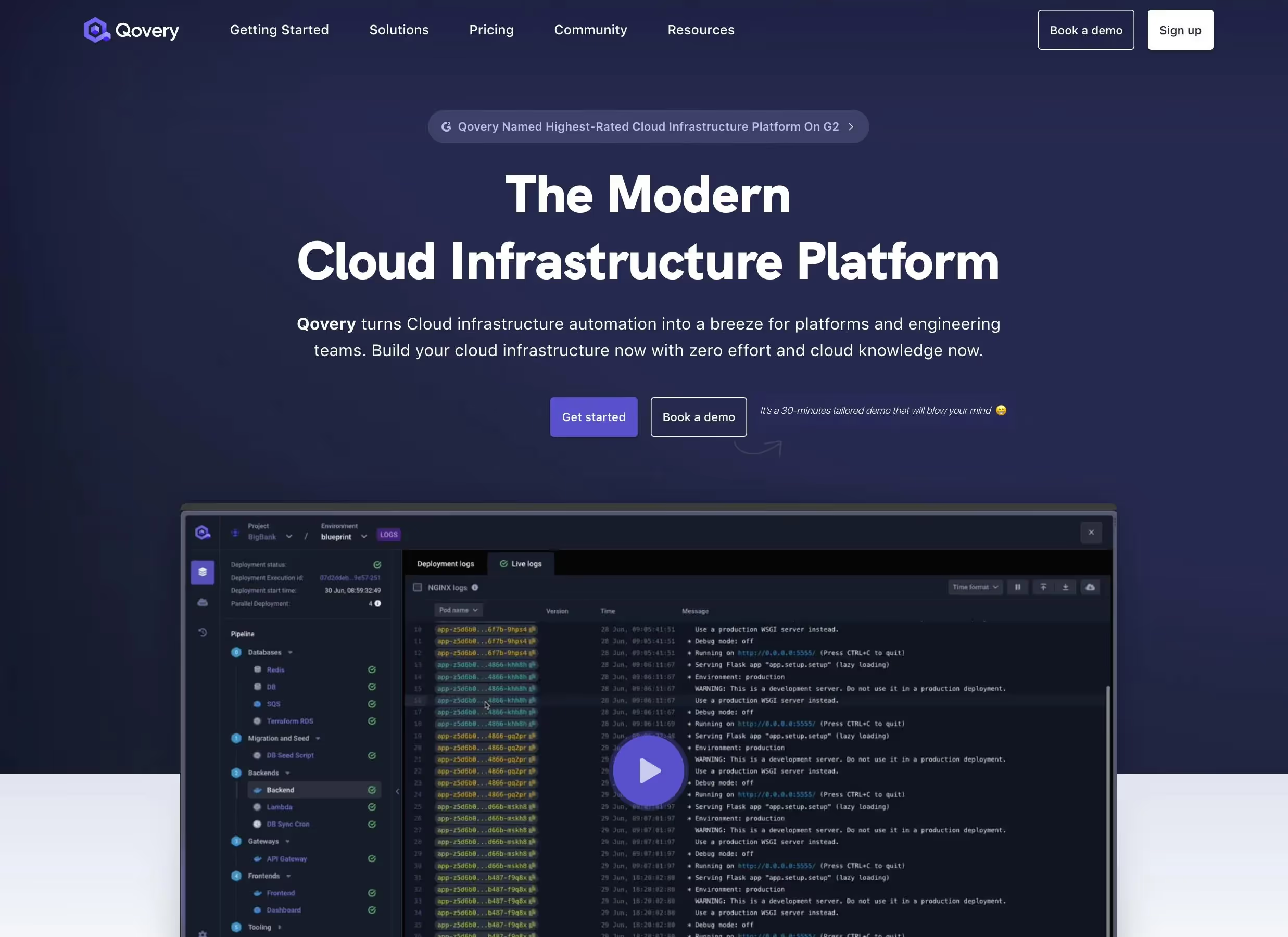
Qovery is a comprehensive Kubernetes management tool that empowers startups and enterprise organizations to streamline their development and deployment processes. Qovery offers features and functionalities that make it an ideal choice for organizations seeking simplicity, productivity, and seamless integration with popular tools. It simplifies infrastructure provisioning, automates deployment pipelines, and ensures scalability and high availability of applications.
null
E. Secret Management
Secret management tools enable the secure storage and distribution of sensitive information such as API keys, passwords, and encryption keys. Two notable solutions in this category are Doppler and Vault.
Doppler
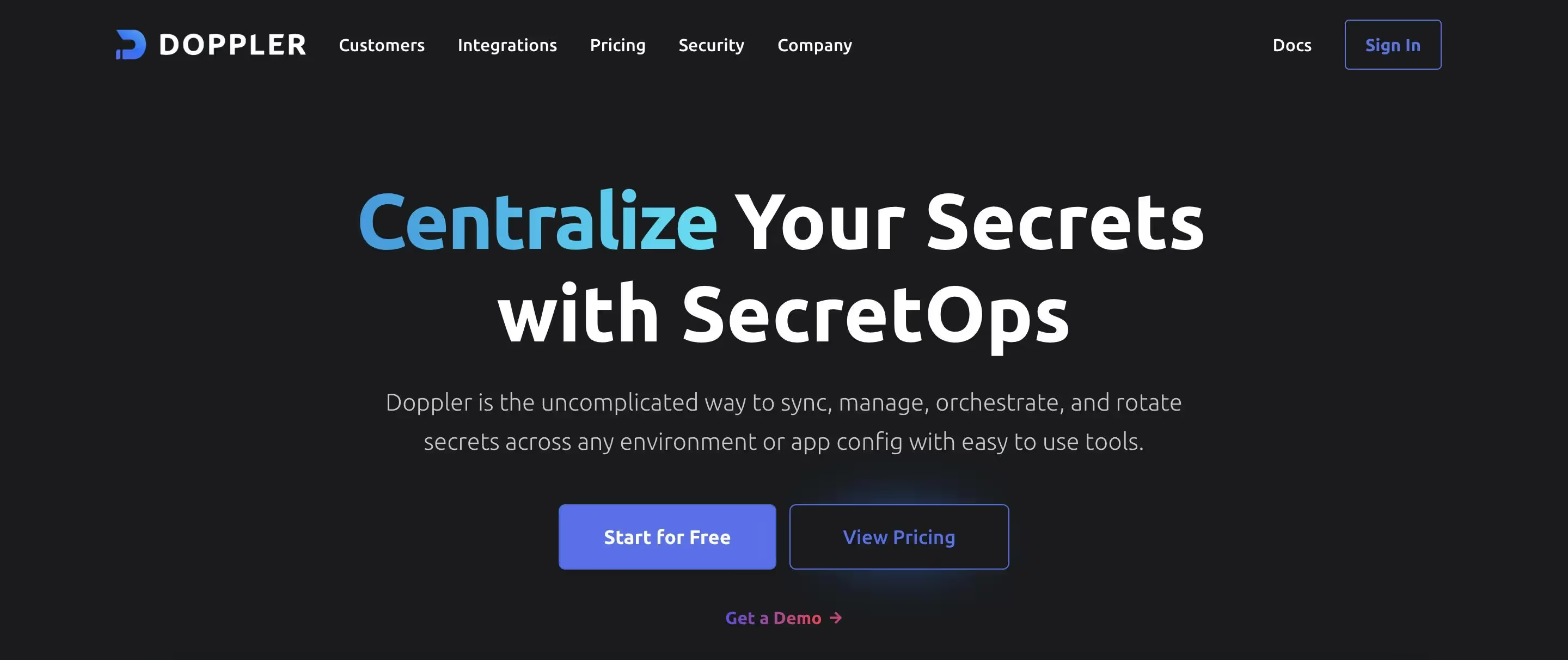
Doppler provides a centralized platform for securely managing and sharing secrets across applications and environments. It offers integrations with popular programming languages and cloud platforms, ensuring secure access to secrets at runtime.
Doppler
Vault (By Hashicorp)
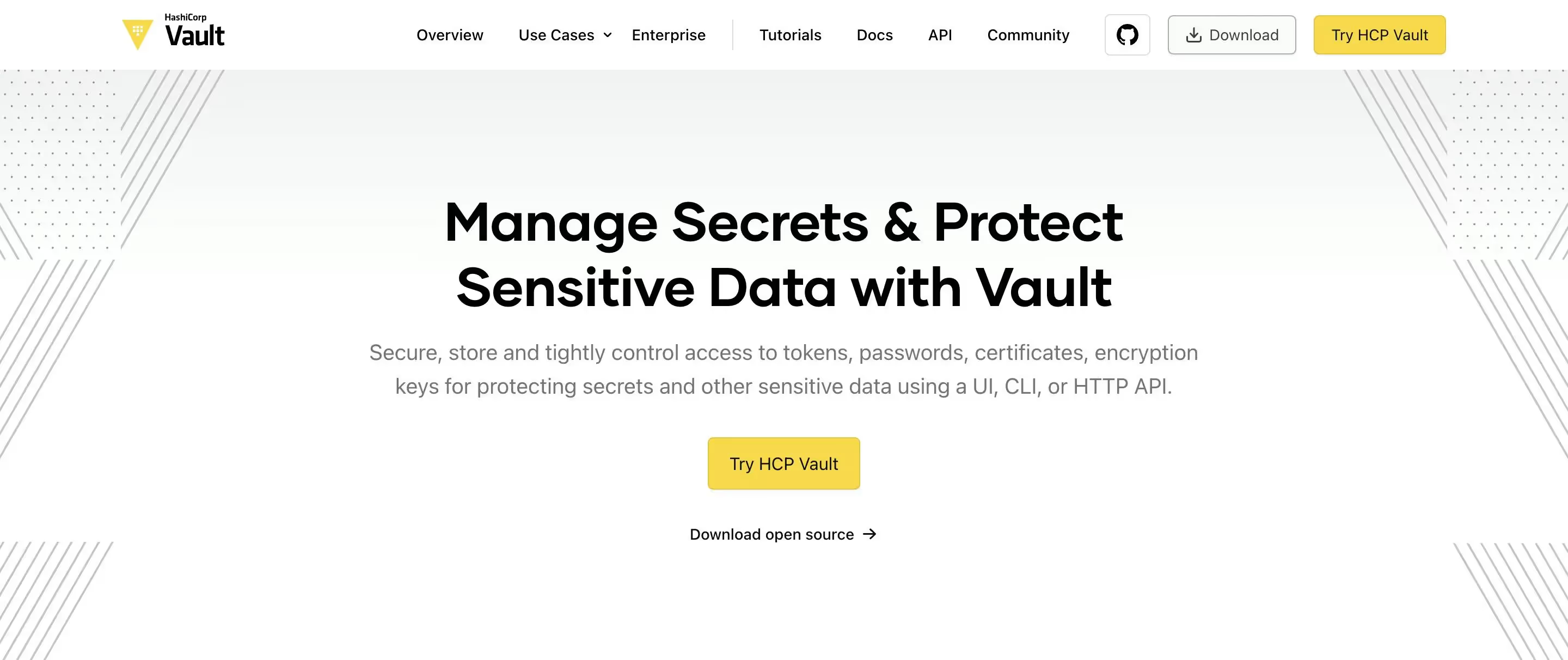
Vault is an open-source tool for managing secrets and protecting sensitive data within any system, ensuring security across various environments.. It provides a secure, auditable solution for storing secrets, generating dynamic credentials, and managing encryption keys. Vault offers comprehensive access control and integrates seamlessly with various authentication providers.
null
F. Monitoring & Observability
Monitoring and observability tools provide insights into the performance and health of applications and infrastructure. Some widely used solutions in this category include Datadog, New Relic, and Grafana.
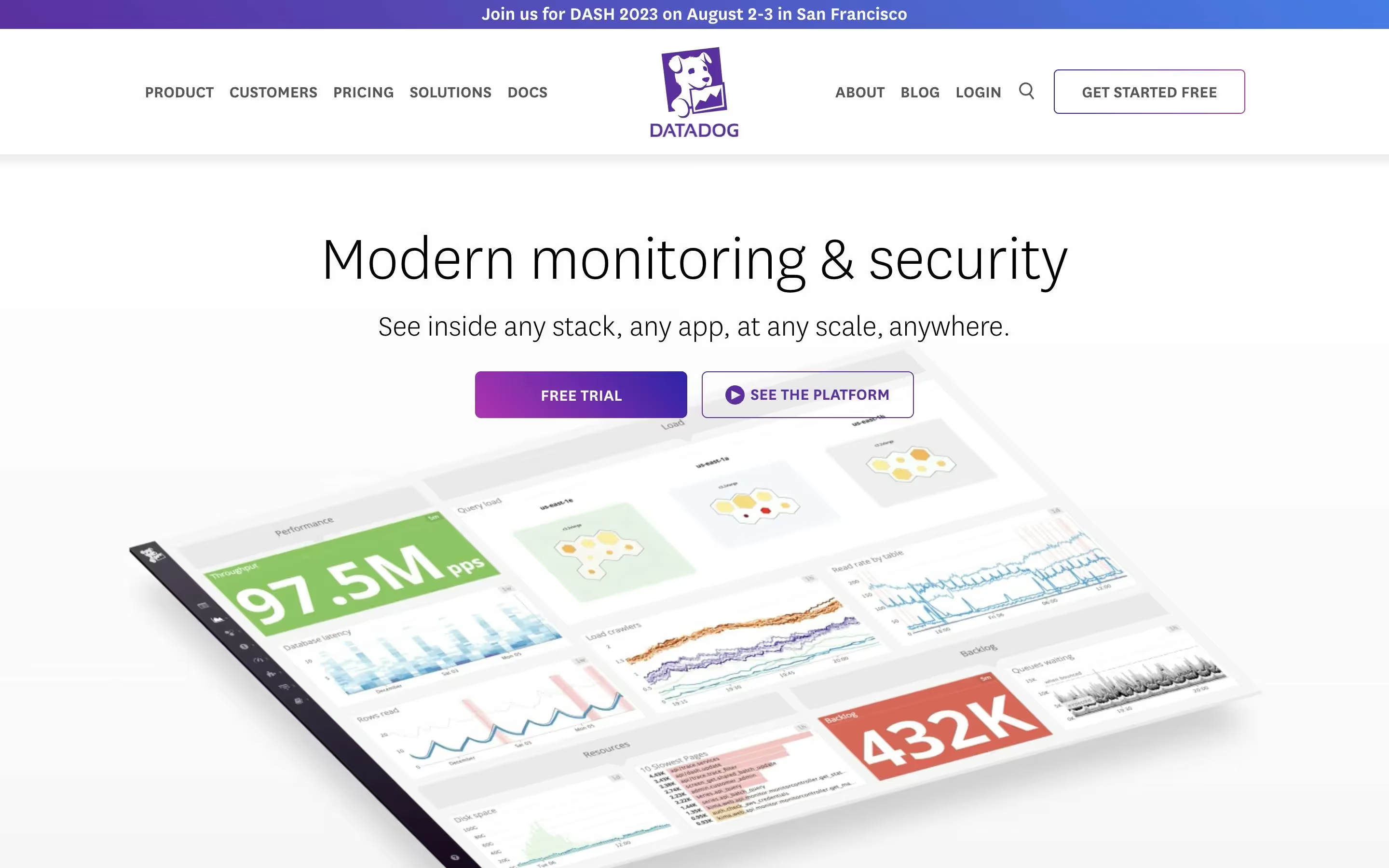
Datadog
Datadog offers a comprehensive monitoring and observability platform that provides real-time visibility into the entire stack. It collects and analyzes metrics, logs, and traces to help identify performance bottlenecks, troubleshoot issues, and optimize applications.
null
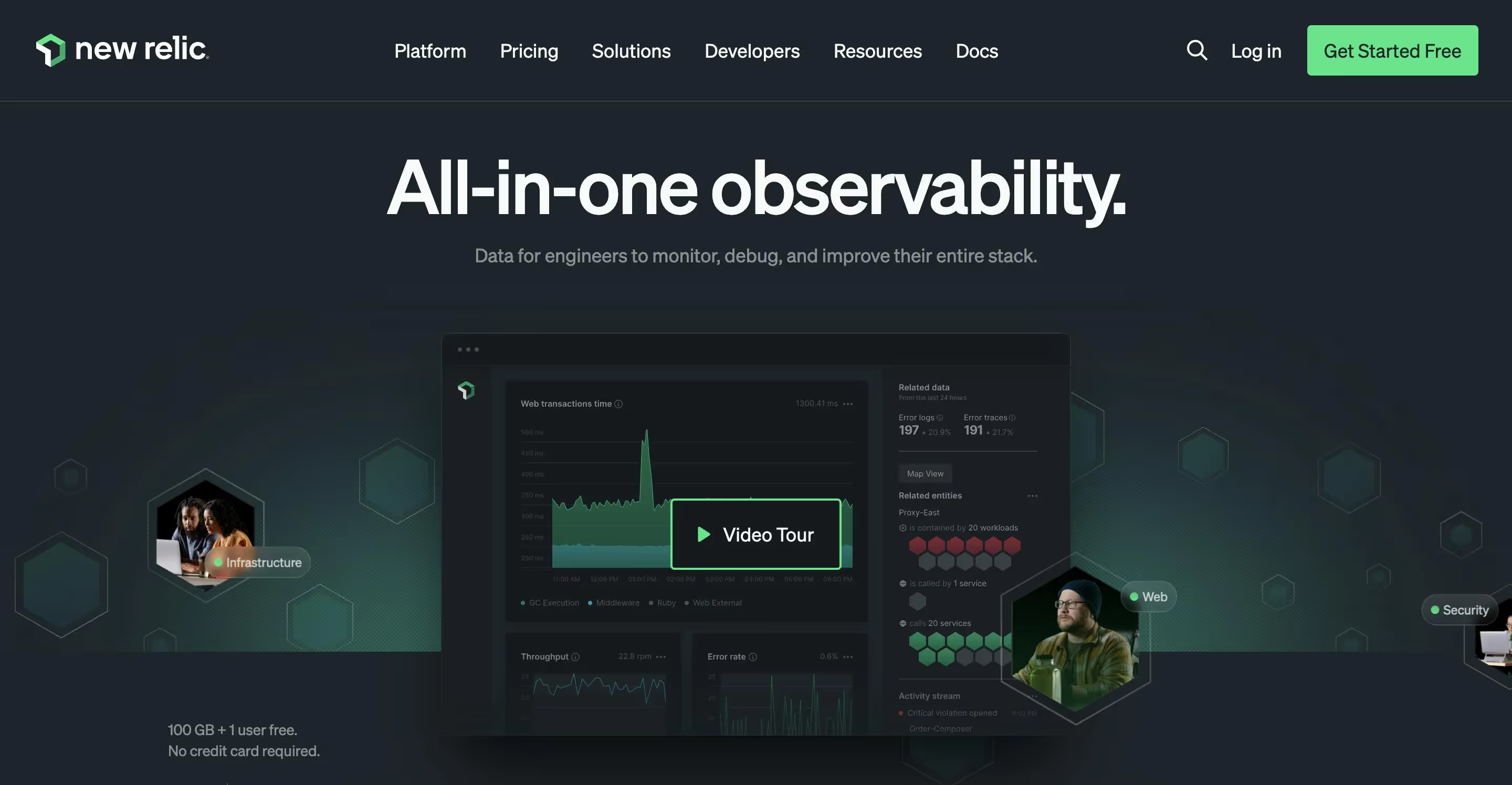
New Relic
New Relic is a leading observability platform that offers application performance monitoring (APM), infrastructure monitoring, and real-user monitoring. It provides deep insights into the performance and availability of applications, enabling proactive troubleshooting and optimization.
New Relic
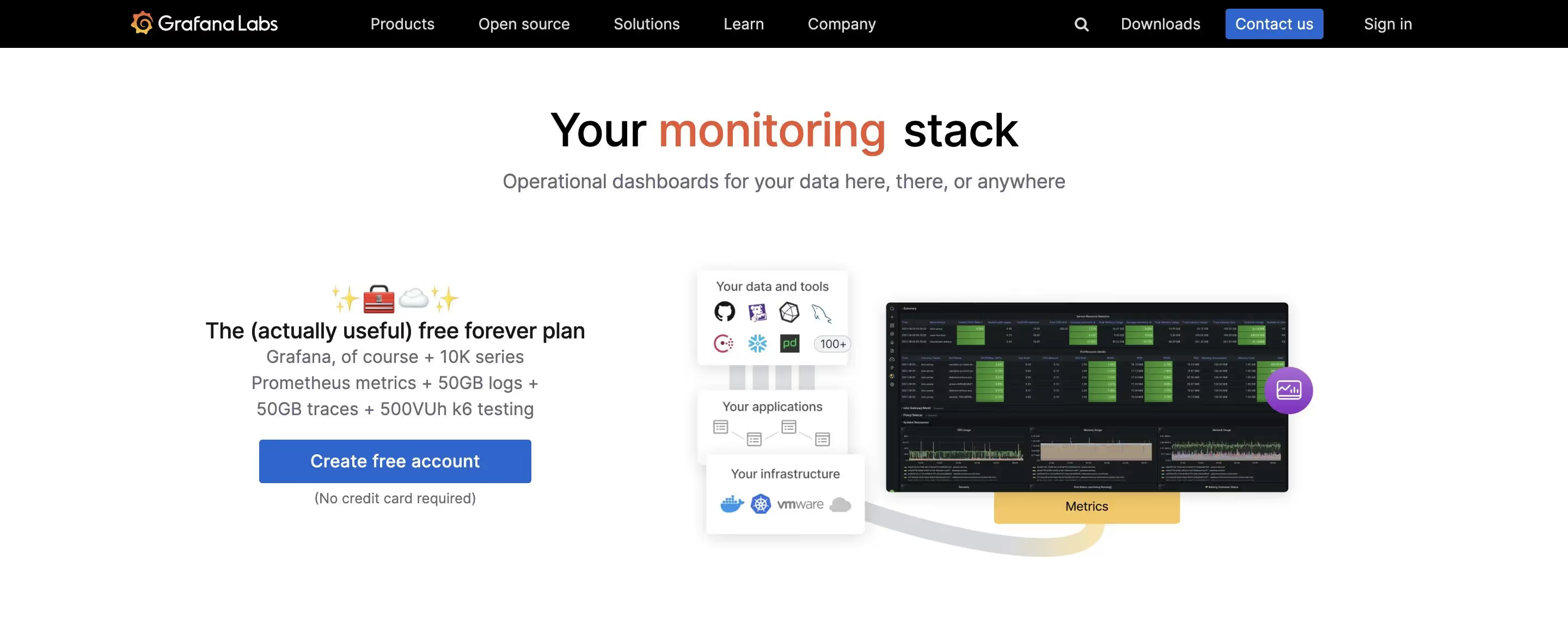
Grafana
Grafana is an open-source visualization and monitoring platform that supports various data sources, including metrics, logs, and traces. It allows users to create customizable dashboards and alerts to gain insights into application and infrastructure performance.
null
Consider the functionalities, features, and benefits of each solution to make an informed decision and build a powerful DevOps stack that drives efficiency and success.
Introducing Qovery: A Comprehensive DevOps Automation Platform
As you evaluate various DevOps stack solutions for your startup, you must explore Qovery as a comprehensive Kubernetes management tool. Qovery offers a range of features and functionalities that make it a suitable choice for startups looking to streamline their development and deployment processes. Here's why Qovery stands out:
Simplicity and Ease of Use: Qovery prioritizes simplicity, making it accessible to startups without compromising on capabilities. With its intuitive user interface and straightforward setup process, Qovery eliminates the complexities typically associated with setting up and managing a DevOps stack. The user-friendly interface lets you focus on your core development tasks rather than getting lost in configuration and infrastructure management.
Productivity Enhancement: Qovery is designed to enhance developer productivity by automating repetitive and time-consuming tasks. It offers features like automatic environment provisioning, continuous integration, and deployment (CI/CD) pipelines, effortless scaling, and integrates with various monitoring tools for optimal performance tracking. These capabilities enable developers to focus on writing code and delivering value to their customers rather than getting bogged down by infrastructure concerns.
Seamless Integration with Popular Tools: Qovery seamlessly integrates with popular development tools, version control systems, and cloud providers. It works with Git repositories, allowing you to leverage existing code repositories and manage your deployments efficiently. Qovery also integrates with cloud providers like AWS and supports containerization platforms such as Docker and Kubernetes, providing flexibility and compatibility with your existing technology stack.
Streamlined Deployment Processes: Qovery simplifies and accelerates the deployment process. With Qovery, you can easily define your application's infrastructure and deployment requirements using a declarative configuration file. Qovery takes care of provisioning and managing the necessary resources, ensuring a streamlined and consistent deployment workflow. This saves time and reduces the risk of errors during the deployment process.
Automatic Scaling and Infrastructure Management: Qovery offers automatic scaling capabilities, allowing your applications to dynamically adjust resources based on demand. As your user base grows or experiences peak traffic, Qovery automatically scales your infrastructure to ensure optimal performance and availability. Qovery's intelligent scaling algorithms optimize resource allocation, reducing costs while meeting your application's requirements.
By adopting Qovery, startups can focus on their core competencies and deliver value to their customers without the complexities of managing infrastructure. With Qovery, you can accelerate your development cycles, improve efficiency, and scale your applications with ease.
Conclusion
Choosing the right DevOps stack is a critical decision for startups. By understanding the components of a DevOps stack and considering key factors, organizations can pave the way for successful and efficient software delivery. Continuous learning, experimentation, and adaptation are key to thriving in the ever-evolving DevOps landscape.
At Qovery, we also use many tools as part of the DevOps suite. These include the following:
Morgan co-founded Qovery and leads engineering. He writes about Kubernetes architecture, DevOps best practices, and building resilient infrastructure at scale.
Next step
Agents ship fast. Guardrails keep them safe.
Qovery ensures every agent action is scoped, audited, and policy-checked. Start deploying in under 10 minutes.