


Scale from fintech disruptor to global financial authority
Deploy a standardized and compliant operating model that simplifies regional expansion and satisfies global regulators. Reduce time-to-compliance by 60% and infrastructure overhead by 40%.


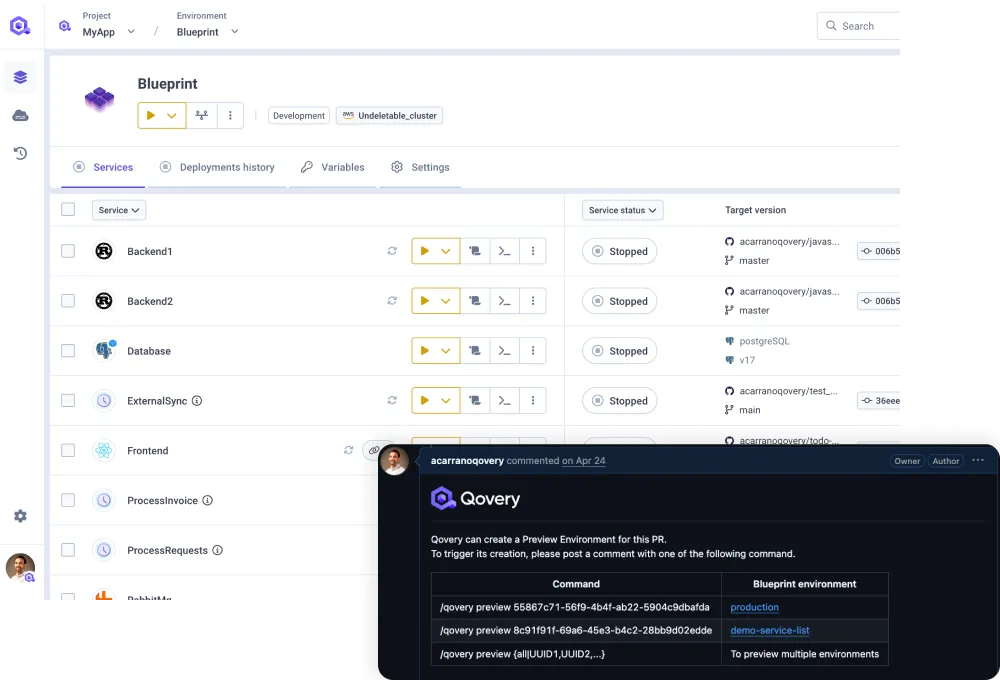










Overcome the infrastructure friction limiting your growth
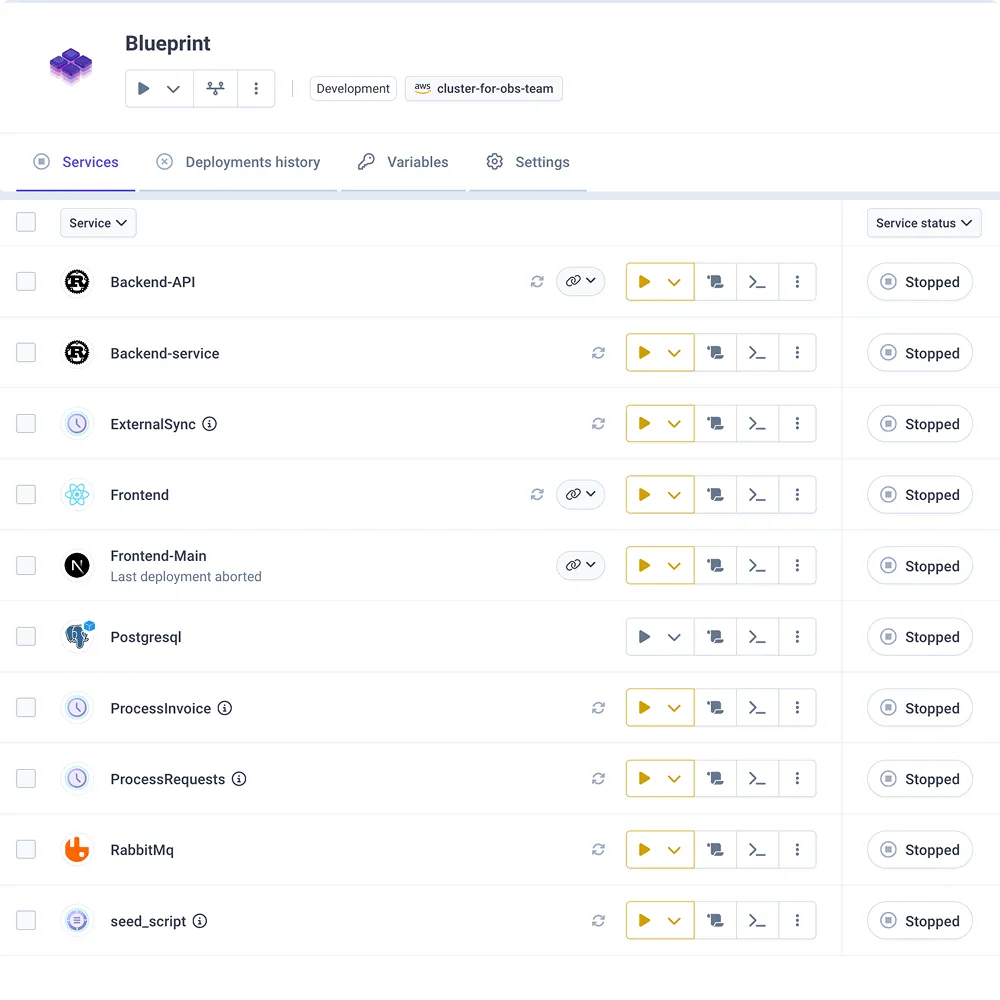

Solve regional expansion
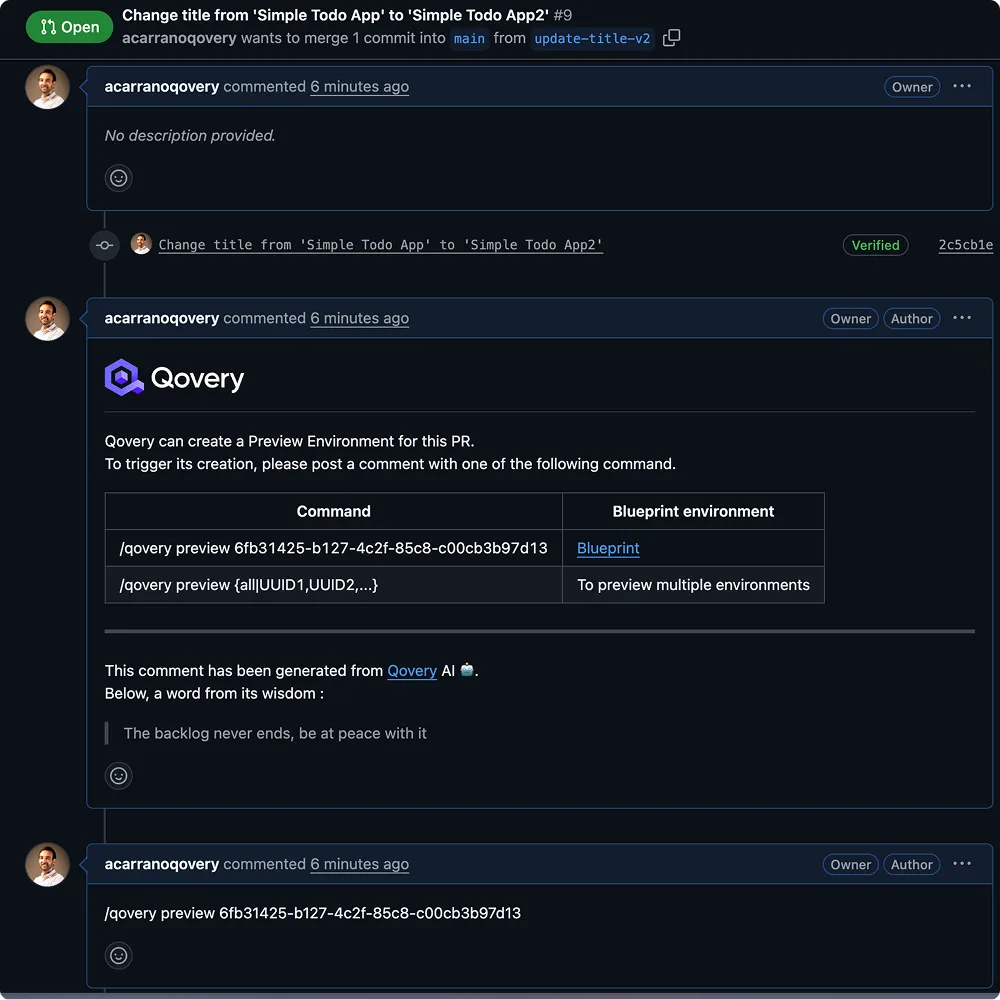
End manual audit cycles
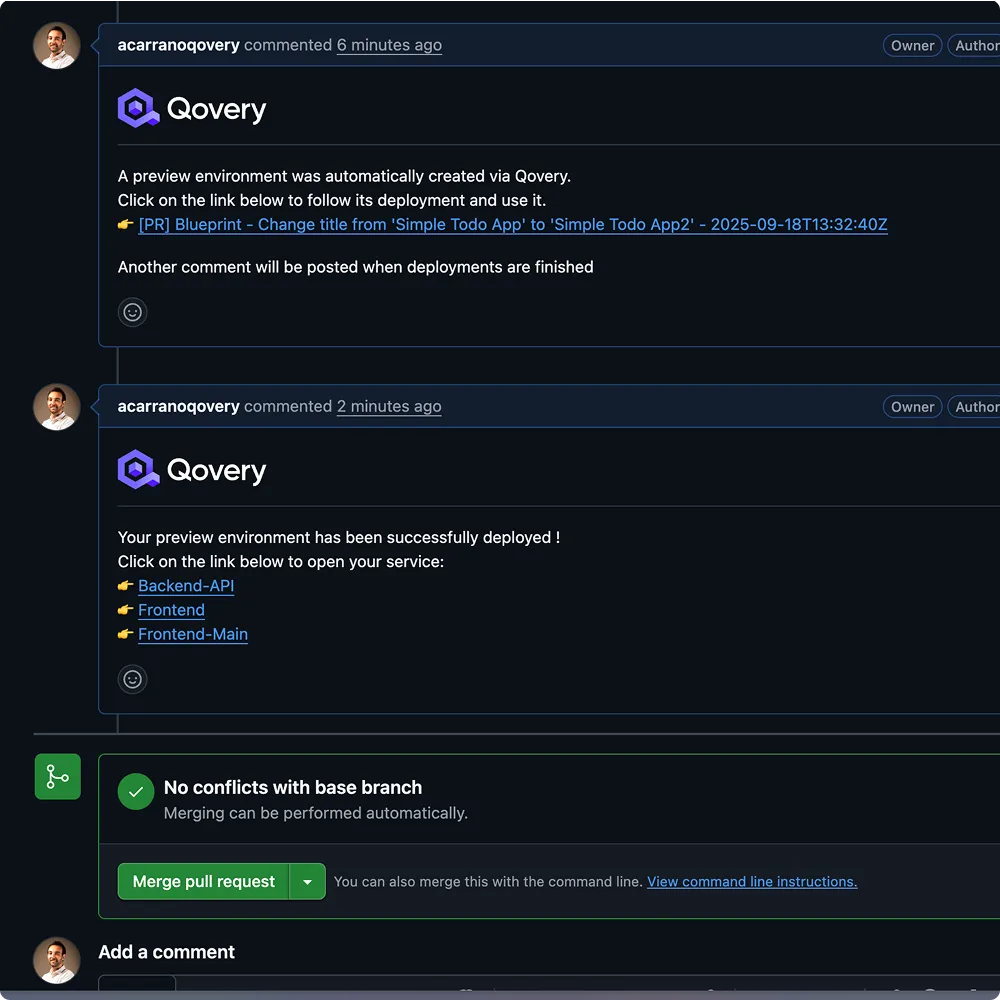
Redirect engineering capital
Book a demo
High-performance architecture without the management burden

Private, compliant infrastructure for financial AI
Zero-data leakage
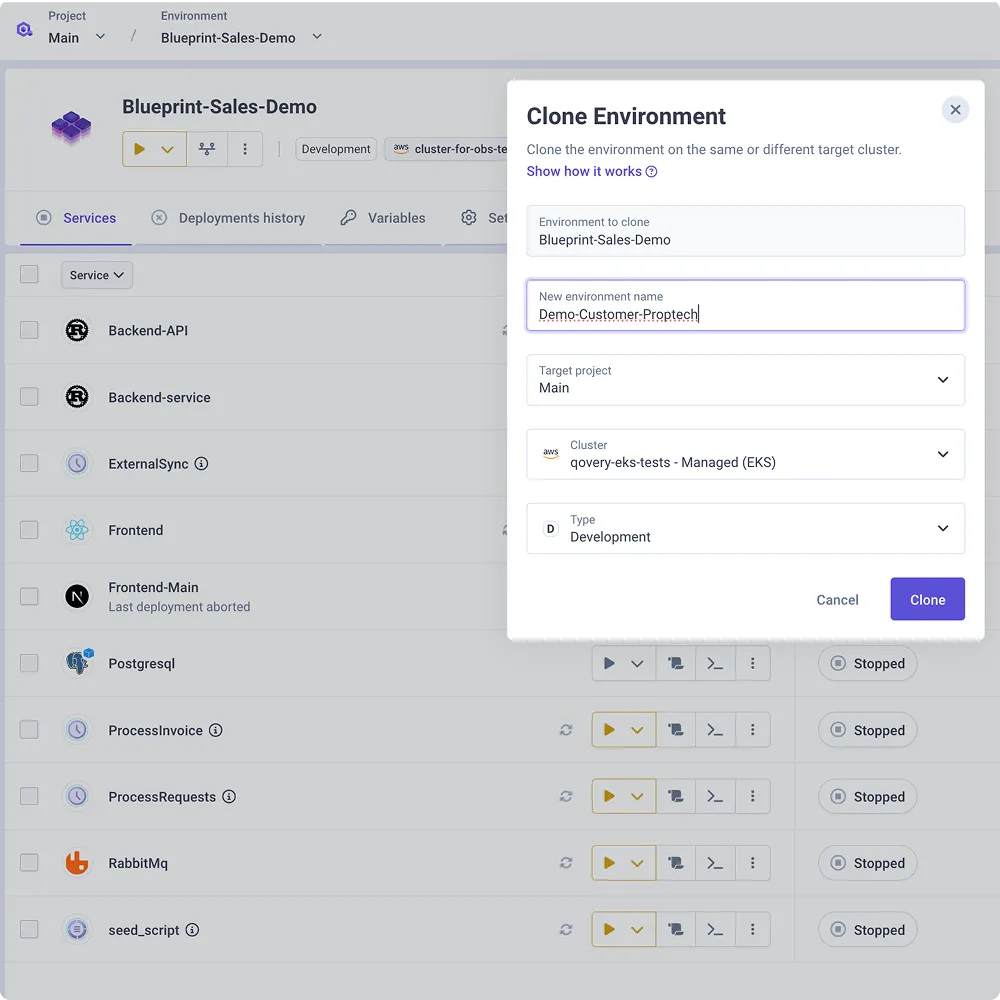
Host private models (Llama, Mistral) within your own VPC. Ensure PII and transaction data never hit external AI provider logs (OpenAI/Anthropic).
Automated GPU scaling
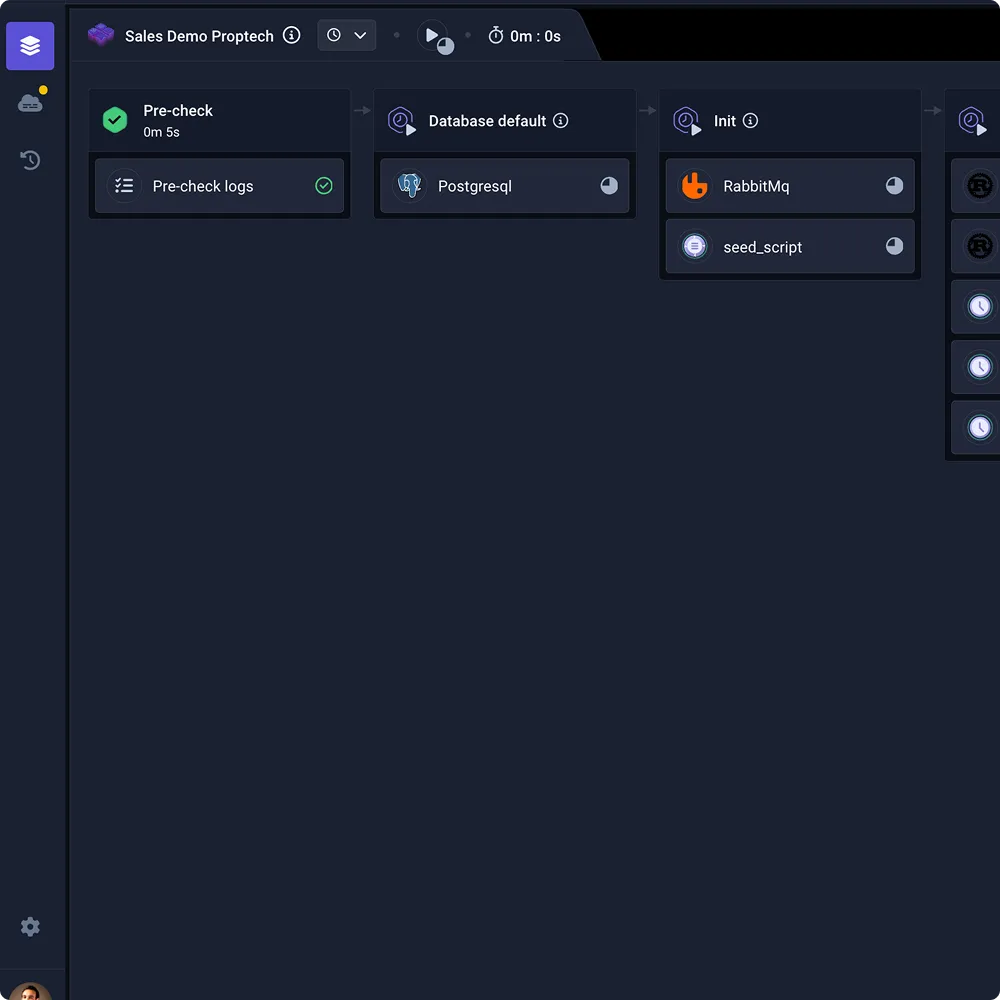
Auto-provision GPU nodes for fraud detection and credit scoring without manual cluster management.
Margin-focused compute
Scale inference power dynamically. Spin up high-compute nodes for batch processing and kill them immediately after to eliminate idle costs.
Auditable intelligence
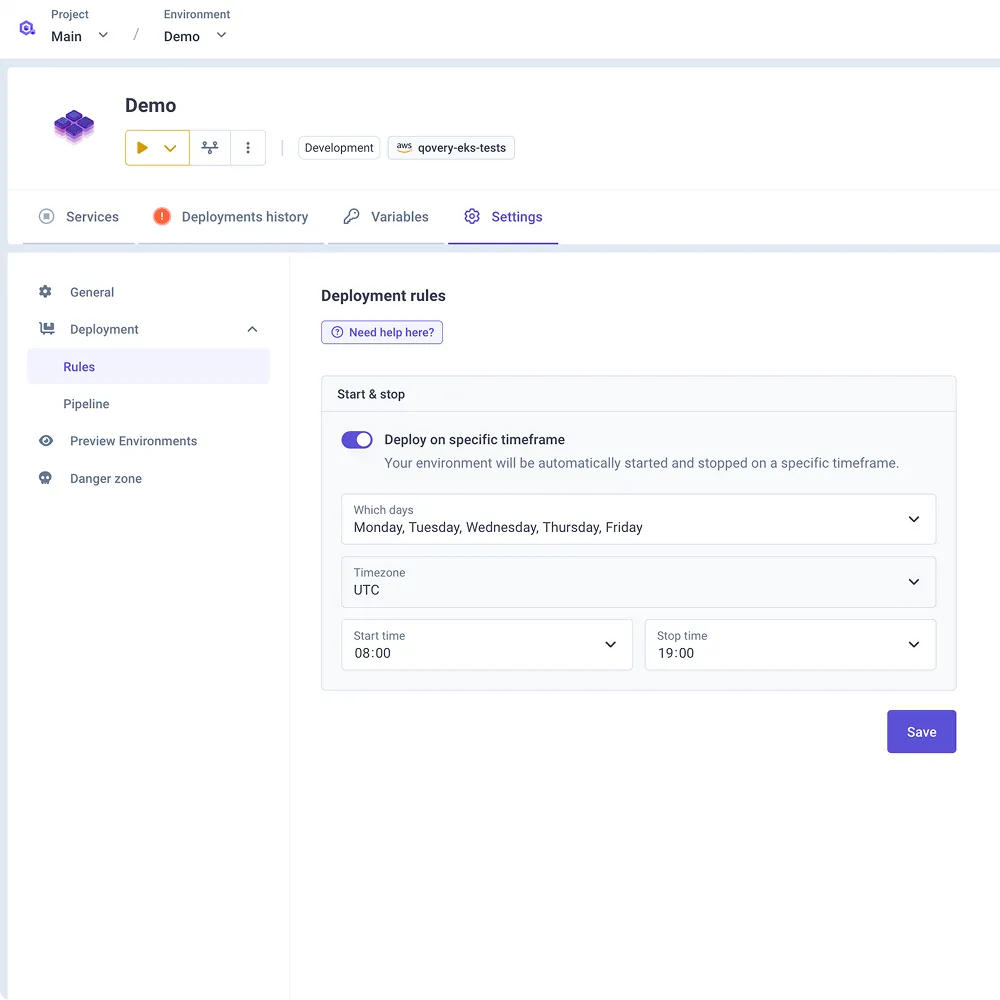
Every model deployment and infrastructure change is logged for regulatory review, keeping AI agents within strict financial guardrails.
.webp)

Suggested articles
Trusted and recognized by the market




.webp)

Qovery is a cloud platform that simplifies the deployment and management of applications. It allows developers to focus on writing code while automating the infrastructure management process. With Qovery, you can easily deploy your applications to various cloud providers without the need for extensive configuration.
It is possible to access Qovery through different interfaces, such as the CLI, API, Web UI, Terraform provide, or client libraries in Typescript, JavaScript, GO for example.
Qovery works by providing a user-friendly interface that integrates with your existing code repositories. Once you connect your repository, Qovery automatically builds and deploys your application. It manages the underlying infrastructure, scaling, and monitoring, allowing you to concentrate on development.
To get started with Qovery, simply sign up for an account on their website. After creating an account, you can connect your code repository and follow the guided setup process to deploy your first application. The platform provides documentation and tutorials to help you along the way.